
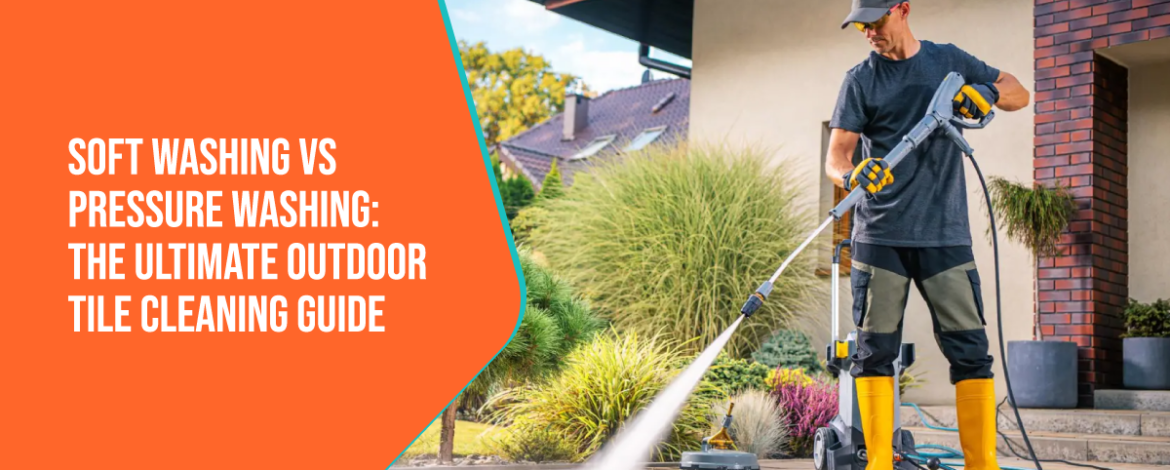
Outdoor alfresco areas, sandstone pool decks, and tiled verandas form the heart of outdoor living across Melbourne homes. However, constant exposure to seasonal weather swings—from scorching summer heatwaves to damp, shaded winter moisture—leaves exterior surfaces vulnerable to grime, leaf tannin stains, stubborn lichens, and slippery green algae. When outdoor surfaces lose their original lustre, restoring them quickly becomes a top maintenance priority.
When evaluating restoration options, homeowners frequently compare soft washing vs pressure washing to determine the most effective approach for outdoor tiles. Choosing the incorrect cleaning method can lead to costly surface damage: applying excessive water pressure to soft natural stone can etch the surface, while blasting aged grout lines can wash away sand-cement mixtures entirely.
This comprehensive guide breaks down the core technical differences between soft washing and pressure washing. You will learn how each method operates, which exterior tile materials require gentle chemical action, how to protect vulnerable grout, and how to select the ideal cleaning technique for your home.
What is Soft Washing vs Pressure Washing?
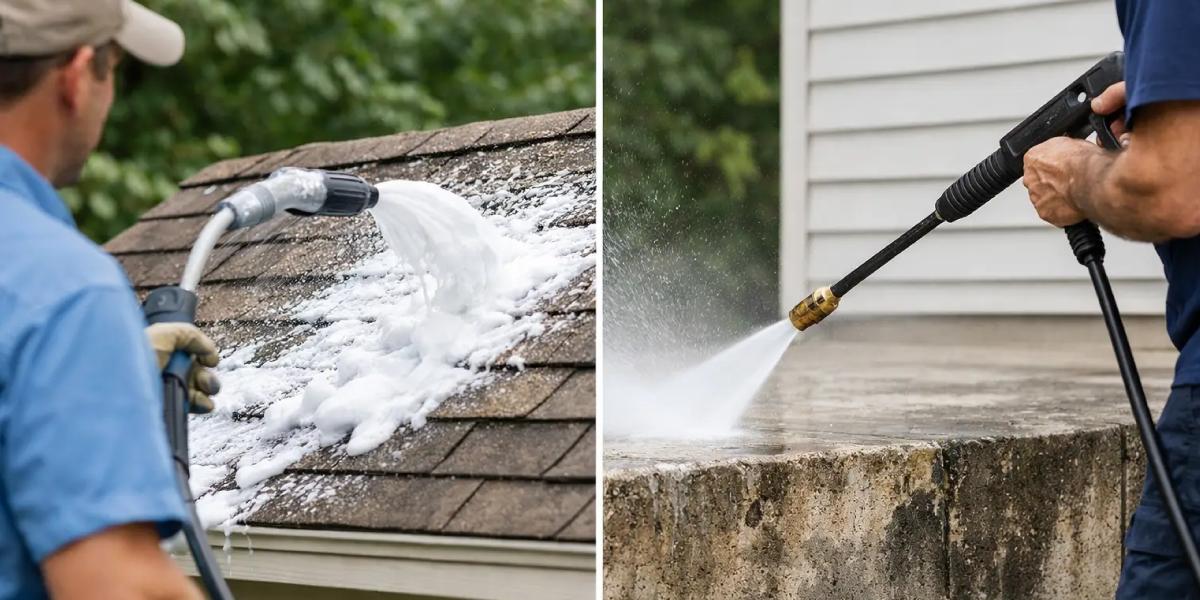
While both approaches use water to clean exterior hardscapes, the primary difference between soft washing and pressure washing lies in the mechanism used to dislodge dirt and organic material: chemical action at low pressure versus sheer mechanical force at high pressure.
Key Differences at a Glance
| Cleaning Method | Primary Mechanism | Pressure Range (PSI) | Water Flow & Chemical Action |
| Pressure Washing | High Kinetic Energy (Mechanical Force) | 1,500 – 3,000+ PSI | Blasts surface dirt off instantly using high-velocity water through a narrow tip. |
| Soft Washing | Chemical Breakdown & Surfactants | Under 500 PSI | Applies eco-friendly detergents; allows dwell time (10–15 mins) before a low-pressure rinse. |
Pressure Washing Defined
Pressure washing relies on high-velocity cold water delivered at high force—typically between 1,500 and 3,000+ PSI (pounds per square inch). The high kinetic energy physically shears dirt, mud, caked-on clay, and surface debris off hard, non-porous surfaces. It operates similarly to power washing, though standard pressure washing relies on ambient water temperatures rather than heated water streams.
Soft Washing Defined
Soft washing uses low pressure—usually under 500 PSI, similar to the force of a strong garden hose nozzle—combined with specialized, eco-friendly cleaning detergents, algaecides, and surfactants. Instead of blasting surface contaminants off mechanically, soft washing relies on chemical dwell time. The solution breaks down organic root structures (such as black mould, mildew, and lichen spores) at a molecular level before being gently rinsed away with fresh water.
Featured Snippet Summaries
What is the main difference between soft washing and pressure washing?
The main difference between soft washing and pressure washing is that pressure washing uses high water force (1,500 to 3,000+ PSI) to mechanically blast dirt off surfaces, whereas soft washing uses low water pressure (under 500 PSI) combined with specialized cleaning solutions to dissolve biological growth, algae, and stains safely.
Quick Comparison: Soft Washing vs. Pressure Washing
| Feature / Metric | Soft Washing | Pressure Washing |
| Water Pressure (PSI) | Very Low (< 500 PSI) | High (1,500 – 3,000+ PSI) |
| Primary Cleaning Mechanism | Chemical breakdown & dwell time | Kinetic mechanical water force |
| Primary Targets | Algae, mould, lichen, organic spores | Embedded mud, surface grime, heavy buildup |
| Grout Safety Level | Extremely Safe (No erosion risk) | Moderate to High Risk (Can blast out grout) |
| Best Material Match | Sandstone, Limestone, Travertine, Terracotta | Vitrified Porcelain, Concrete Pavers, Bluestone |
| Long-Term Algae Control | Kills deep root spores to delay regrowth | Clears surface layer; spores may return faster |
Why Choosing the Right Method Matters for Outdoor Tiles
Selecting between soft washing outdoor tiles and high-pressure washing outdoor surfaces is not merely a matter of personal preference—it directly impacts the structural integrity and longevity of your flooring investments.
1. Preserving Tile Glazes and Surface Integrity
Vitrified porcelain tiles feature ultra-dense, low-porosity surfaces that tolerate high PSI pressure without issue. However, soft natural stones—such as hone-finished travertine, porous limestone, or delicate clay terracotta—can suffer surface erosion under concentrated water streams. High-velocity water tips can leave permanent “wand marks,” strip protective factory glazes, or cause delicate stone faces to spall.
2. Protecting Grout Line Structure
Grout joints bond outdoor tiles into a cohesive, weather-resistant barrier. Cementitious grout lines are naturally porous and structurally softer than hard porcelain. Blasting grout joints head-on with high-pressure nozzles can gouge sand particles out of the channels. Water forced underneath unsealed tiles can collect in the sub-base, leading to efflorescence (white salt crusts) or tile lifting over time.
3. Eradicating Biological Roots vs. Surface Trimming
High pressure strips moss and visible green algae off tile tops quickly, but it often leaves microscopic spores anchored deep within tile pores and grout joints. Soft washing applies algaecides directly to biological growth, neutralizing organic spores so surfaces stay cleaner for significantly longer periods.
Surface Compatibility: Material Matching Guide
Review this surface compatibility matrix before choosing a cleaning approach for your outdoor entertainment area:
| Tile / Material Type | Porosity Level | Recommended Method | Ideal Pressure (PSI) | Key Cleaning Considerations |
| Outdoor Porcelain | Very Low (< 0.5%) | Pressure Washing | 1,800 – 2,200 PSI | Highly durable; handles fan nozzles or surface cleaners safely. |
| Sandstone | High (Very Soft) | Soft Washing | < 500 PSI | High pressure will gouge surface grains. Use eco-friendly pre-treatments. |
| Travertine & Limestone | High (Acid Sensitive) | Soft Washing | 500 – 800 PSI | Avoid acidic chemical treatments; use pH-neutral or mild alkaline solutions. |
| Terracotta | High | Soft Washing | 800 – 1,000 PSI | Soft clay bodies chip easily under high force; low pressure prevents flaking. |
| Bluestone / Basalt | Low-Medium | Hybrid Method | 1,200 – 1,500 PSI | Pre-treat organic spots, then rinse using a wide 40° fan nozzle tip. |
| Concrete Pavers | Medium | Pressure Washing | 2,000 – 2,500 PSI | Handles heavy mechanical water force well; ideal for rotary surface cleaners. |
Common Mistakes in Outdoor Tile Cleaning
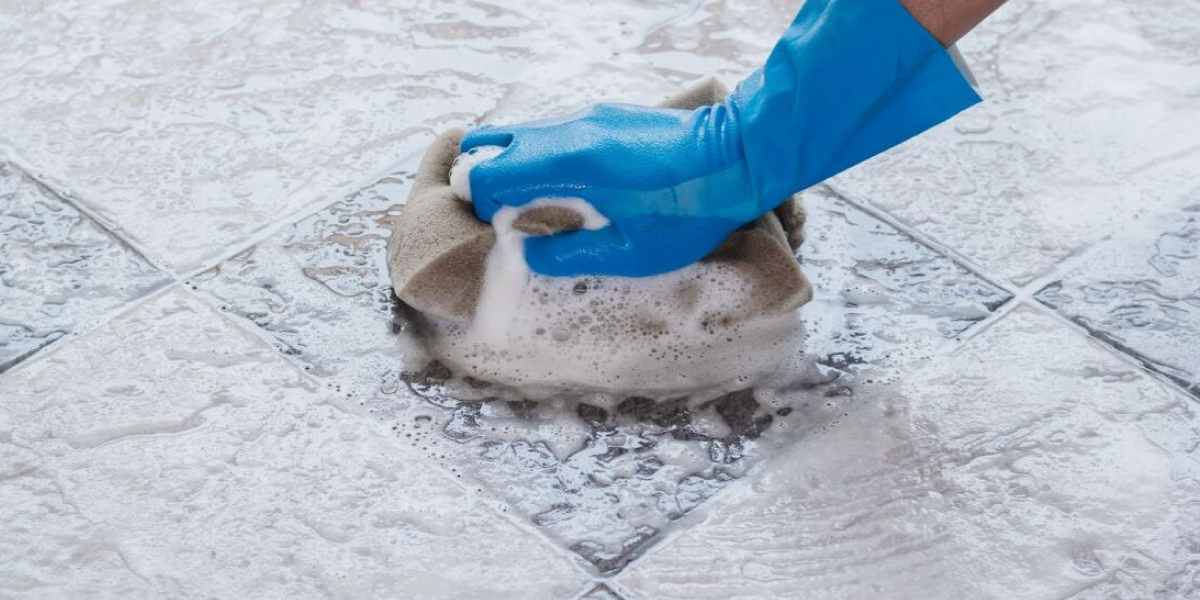
Avoid these five frequent mistakes when cleaning exterior tiled areas:
- Using a 0-Degree (Red) Pressure Nozzle: A zero-degree nozzle concentrates water into a narrow needle beam that acts like a chisel, etching natural stone and slicing through cement grout lines within seconds.
- Skipping Chemical Pre-Treatments on Porous Stone: Relying exclusively on extreme water pressure to strip stubborn organic stains forces you to use dangerously high PSI settings. Applying an eco-friendly pre-wash allows you to clean at significantly lower pressure.
- Using Harsh Acidic Cleaners on Natural Stone: Using unbuffered acid washes on calcium-based stone (like limestone or travertine) causes immediate surface etching and permanent discoloration.
- Holding the Spray Wand Too Close: Operating a pressure wand closer than 20–25 centimetres from tile faces increases surface stress exponentially, leading to micro-fractures in ceramic and glaze layers.
- Neglecting Post-Wash Sealing: Both high-pressure washing and chemical washing strip legacy protective coatings along with dirt. Leaving porous outdoor tiles or grout lines unsealed post-wash invites rapid re-staining from oils, water, and leaf tannins.
Step-by-Step Soft Washing Process for Delicate Tiles
Follow this structured workflow to clean sensitive natural stone, delicate terracotta, or aging tile installations safely:
5-Step Soft Washing Workflow
| Step Number | Phase | Action & Equipment | Objective |
| Step 1 | Surface Inspection & Prep | Clear furniture; sweep dry leaves and dirt with a soft broom. Pre-wet foliage. | Protects surrounds and prepares tiles for solution absorption. |
| Step 2 | Eco-Cleaner Application | Spray biodegradable cleaning solution with a pump sprayer at low pressure. | Covers target area evenly from bottom to top. |
| Step 3 | Dwell Time | Allow cleaner to sit for 10–15 minutes (keep moist, avoid drying out). | Neutralizes fungal spores, algae roots, and biological bonds. |
| Step 4 | Gentle Scrubbing | Lightly brush heavily discoloured grout lines with a nylon deck broom. | Agitates stubborn micro-pores without scratching stone face. |
| Step 5 | Low-Pressure Rinse | Rinse thoroughly with a wide 40° fan nozzle at < 500 PSI pressure. | Flushes away dissolved grime and chemical residues safely. |
Detailed Execution Guidelines
- Site Inspection and Preparation: Clear the area of all outdoor furniture, plant pots, and barbecues. Cover adjacent garden beds, delicate foliage, and low-voltage exterior lighting with plastic sheeting. Pre-wet surrounding plants with fresh water to prevent accidental leaf burn from runoff.
- Applying the Pre-Treatment: Mix a specialized, biodegradable outdoor tile cleaning solution or pH-neutral algaecide according to manufacturer dilution ratios. Apply evenly across dry tiles, starting from the lowest elevation point and moving upward to ensure complete coverage.
- Managing Dwell Time: Allow the soft wash solution to sit on the tiled surface for 10 to 15 minutes. Never allow soft wash solutions to dry completely on the tile surface during hot weather. Lightly mist the area with fresh water if working under direct sunlight to keep the cleaning agents active.
- Low-Pressure Rinse: Rinse the entire area using a wide-fan nozzle (40-degree white tip or dedicated soft wash tip) at low pressure (under 500 PSI). Flush all slurry and soap residues toward designated surface drainage points. Allow the area to dry thoroughly for 24 to 48 hours before applying a protective penetrating sealer.
| Further reading
▶ How to Whiten Grout Between Tiles: The Ultimate No-Fail Guide ▶ How to Clean Grout Between Floor Tiles: The Ultimate Restoration Guide |
Step-by-Step Pressure Washing Process for Hard Tiles
When working with durable vitrified porcelain tiles or dense concrete pavers, pressure washing delivers fast, chemical-free results when executed correctly:
Step 1: Equipment Configuration
Connect a residential or commercial pressure washer to a clean, reliable water supply line. Select a 25-degree (green) or 40-degree (white) spray nozzle tip, or attach a dedicated rotary surface cleaner attachment. Adjust the pressure regulator to roughly 1,500 to 1,800 PSI.
Pressure Washer Attachment Options
| Attachment Type | Recommended Surface Applications | Primary Advantage | Impact on Grout Lines |
| Standard 25° Fan Tip | Narrow walkways, tile borders, outdoor steps | Delivers targeted power for tight corners | Moderate (keep wand 25+ cm away) |
| Standard 40° Fan Tip | General patio cleaning, wide tile sweeps | Distributes pressure over broader area | Low (ideal for standard rinsing) |
| Rotary Surface Cleaner | Large alfresco zones, open pool decks | Eliminates streak marks; maintains fixed height | Very Low (spreads force evenly) |
Step 2: Consistent Washing Technique
Hold the spray wand at a 45-degree angle relative to the tile surface—never direct the stream straight down into joint lines. Keep the spray nozzle 25 to 30 centimetres away from tile faces. Sweep the wand across the patio using smooth, sweeping arm motions, overlapping each pass by roughly 30%.
Step 3: Thorough Flushing Rinse
After lifting surface grime across target sections, switch to a low-pressure wide setting to flush dirty water off the patio. Verify that all sand, mud, and loosened debris are fully cleared from tile surfaces.
Expert Tips for Cleaning Outdoor Tile Grout
Grout joints represent the most vulnerable component of any exterior tile installation. Protect your grout with these practical maintenance tips:
- Clean Diagonally Across Joints: When pressure washing, sweep the spray nozzle at a 45-degree diagonal angle across grout intersections. Moving parallel along grout channels can hollow out soft sand-cement mixes.
- Avoid Harsh Acids on Cement Grout: Standard cementitious grout is alkaline-based. Repeatedly cleaning grout lines with harsh acids dissolves the cement binder, causing crumbly joints and loose tiles.
- Re-Seal Grout Post-Cleaning: Penetrating fluoropolymer sealers sink deep into grout pores, forming an invisible hydrophobic barrier that repels water, oil, and organic algae growth.
Real-World Example: Restoring a Melbourne Suburban Alfresco Area
A homeowner in Camberwell, Victoria, needed to clean a 60-square-metre outdoor entertainment area featuring a mix of sandstone pool coping tiles and vitrified porcelain alfresco floor tiles. Over three years, shaded conditions led to green algae growth on the sandstone and heavy dirt buildup on the porcelain patio.
Restoration Plan & Execution
| Zone / Area | Surface Material | Chosen Method | Cleaning Strategy | Outcome |
| Pool Surrounds | Soft Sandstone | Soft Washing | Applied eco-friendly pre-treatment (15 min dwell), followed by a gentle 400 PSI rinse. | Removed all algae without surface gouging or stone grain loss. |
| Alfresco Patio | Vitrified Porcelain | Pressure Washing | Used a 16-inch rotary surface cleaner set to 1,800 PSI for uniform coverage. | Lifted ground-in dirt quickly without leaving streak marks. |
| Grout Joints | Cementitious Grout | Penetrating Sealer | Allowed 48 hours dry time, then applied a premium penetrating grout sealer. | Created a long-lasting protective moisture barrier. |
The Project Outcome:
By matching the cleaning technique to each specific tile material, the entire outdoor space was safely restored in under four hours without tile damage or grout loss.
Frequently Asked Questions
What is the difference between soft washing and pressure washing?
The main difference is water force and chemical reliance. Pressure washing uses high water pressure (1,500 to 3,000+ PSI) to break dirt off surfaces mechanically. Soft washing uses low water pressure (under 500 PSI) combined with specialized cleaning solutions to dissolve algae, mould, and organic stains safely without damaging delicate materials.
Is soft washing safer for outdoor tiles?
Yes, soft washing is significantly safer for soft natural stone tiles (such as sandstone, travertine, limestone, and terracotta) as well as aged grout lines. Because it relies on chemical dwell time rather than high mechanical force, soft washing eliminates the risk of surface gouging, glaze chipping, wand streaks, or grout erosion.
Which method is better for removing mould and algae?
Soft washing is generally more effective for long-term mould and algae removal. While high pressure blasts away visible surface growth, soft washing uses active algaecides to kill deep root spores inside tile pores and grout joints, preventing algae from returning as quickly.
Can pressure washing damage grout lines?
Yes, pressure washing can easily damage grout lines if performed incorrectly. Directing high-pressure water streams (above 2,000 PSI) straight down into joint channels or holding the spray nozzle too close can blow out soft, aged, or unsealed grout.
How often should outdoor tiles be professionally cleaned?
Outdoor tiles generally benefit from professional cleaning once or twice a year. In Melbourne, an autumn clean removes leaf tannin buildup, while a spring clean clears away damp winter algae before outdoor entertaining season begins. Highly shaded areas or pool decks may benefit from more frequent touch-ups.
Maintain Your Property’s Value with Local Expertise
Keeping your outdoor patio, pool surrounds, and verandas clean protects your home’s appearance and safety year-round. Understanding the nuances of soft washing vs pressure washing allows you to choose the safest, most effective cleaning strategy for every tile material on your property.
If you prefer professional service without the hassle of hiring equipment or risking tile damage, Tile Cleaners Melbourne is ready to help. As a 100% Australian-owned business, we use professional, non-toxic, pet-safe cleaning solutions and advanced surface equipment to restore outdoor porcelain, natural stone, and grout lines safely.
Contact our local Melbourne team today for a free quote on professional outdoor tile cleaning and sealing, and enjoy a refreshed outdoor living space ready for entertaining.

Leave A Comment