

The historic leafy suburbs of Hawthorn, Kew, and Camberwell host some of Melbourne’s finest architectural heritage—from grand Victorian mansions and Edwardian villas to charming Californian bungalows. A signature feature of these period homes is the intricate encaustic tile flooring adorning front verandas, grand entry hallways, and pathways. However, decades of foot traffic, harsh cleaning chemicals, atmospheric grime, and trapped moisture leave these heritage surfaces looking dull, faded, and stained.
If you are a heritage property owner wondering how to clean encaustic tiles without causing permanent surface etching or color fading, caution is essential. Unlike glazed ceramic tiles, traditional encaustic tiles are unglazed, porous blocks formed from mineral-pigmented clay or hydraulic cement. Cleaning them requires gentle, pH-balanced techniques tailored specifically to historical masonry.
This guide explores the history and chemistry of encaustic tiles, common cleaning mistakes, step-by-step restoration protocols, and professional maintenance best practices to keep your Victorian tiled entrance looking pristine.
Quick Answer
What Are Encaustic Tiles?
Encaustic tiles are unglazed ceramic or cement tiles where the intricate pattern is formed by inlaying different colors of clay or mineral-pigmented cement into the body of the tile, rather than painting or glazing the top surface.
Quick Step-by-Step Summary: How to Clean Encaustic Tiles
- Dry Sweep and Vacuum: Remove grit and loose debris using a soft-bristle broom or vacuum with a hard-floor setting.
- Apply a pH-Neutral Cleaner: Spray or mop a specialist pH-neutral natural stone cleaner or mild floor soap diluted in warm water.
- Gentle Agitation: Scrub tile surfaces and grout lines using a soft to medium nylon brush. Never use wire brushes or abrasive pads.
- Extract Dirt Slurry: Sponge up dirty water immediately using a microfibre mop or wet vacuum.
- Treat Specific Stains with Poultices: Apply specialized non-acidic poultices for deep-set oil or organic tannin stains.
- Apply a Breathable Penetrating Sealer: Allow tiles to dry completely for 48 hours, then apply a breathable impregnating sealer to protect porous pigments.
What Is Encaustic Tile Cleaning and Why Does It Require Specialist Care?
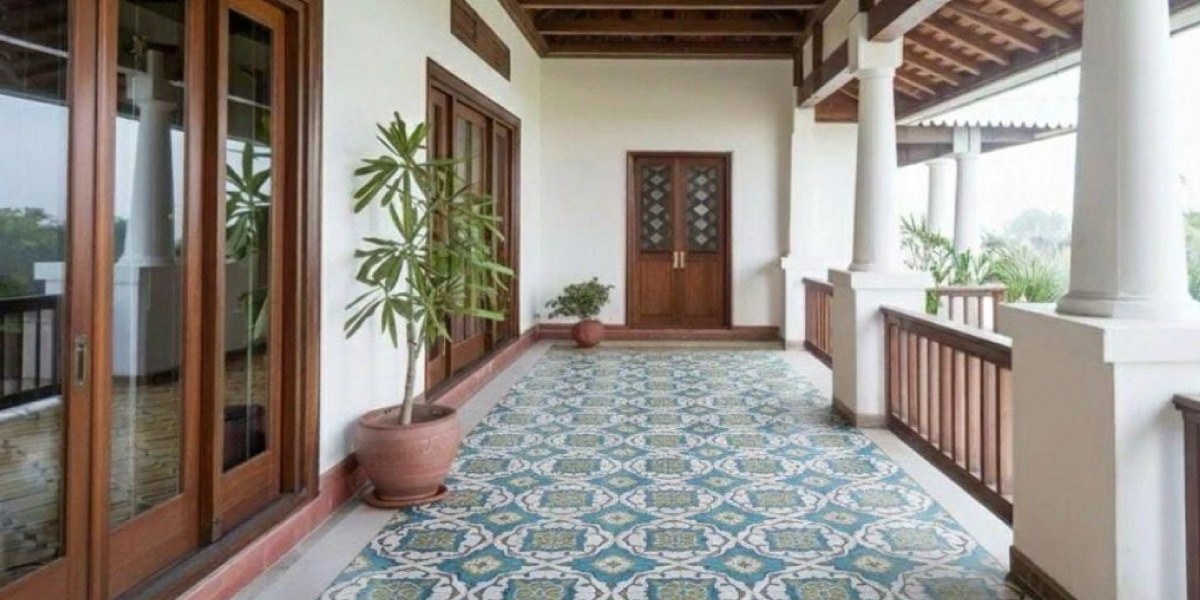
Encaustic tile cleaning is the process of removing embedded soil, ancient wax layers, and mineral efflorescence from unglazed cementitious or clay tiles while protecting the delicate surface pigments.
Traditional Victorian floor tiles were manufactured using hydraulic presses where fine marble dust, white cement, and inorganic pigments were compressed under high pressure. Because the pigment layer sits directly in the porous matrix of the tile, harsh acidic chemical cleaners dissolve the calcified binders, causing severe etching, surface chalking, and irreversible color loss.
The Role of Encaustic Floors in Hawthorn, Kew & Camberwell
In Melbourne’s eastern heritage corridors, period verandas and hallways were designed as prominent status symbols. Exterior verandas contend with damp weather, moss, lichen, and salt efflorescence from rising damp. Meanwhile, interior entryways often suffer from decades of built-up floor wax, acrylic coatings, and ground-in street dirt. Proper restoration preserves both aesthetic appeal and property values.
Key Benefits of Restoring Victorian Encaustic Floors
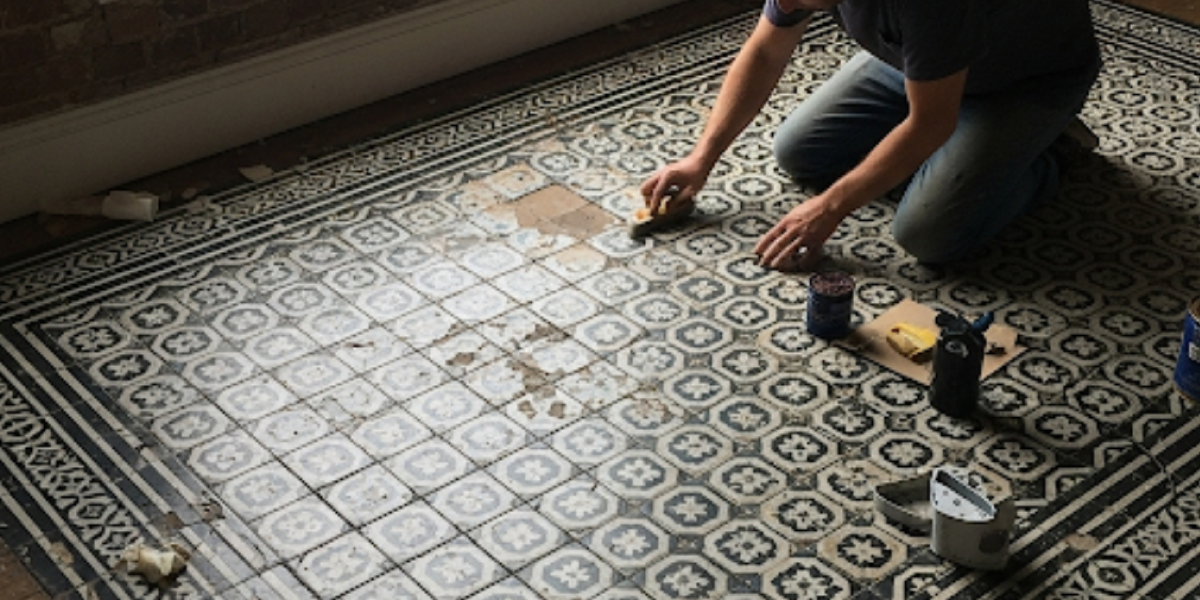
Restoring original tilework offers substantial cultural, financial, and practical advantages over modern replacement:
- Preserves Authentic Architectural Heritage: Retains rare 19th-century craftsmanship and historical building integrity.
- Enhances Property Value: Well-maintained period features command premium valuation across Boroondara heritage precincts.
- Increases Durability and Slip Resistance: Removing slippery organic growth or degraded wax coatings restores natural surface traction.
- Prevents Moisture Trapping: Using breathable impregnating sealers prevents moisture from becoming trapped in sub-floor timber or mortar beds.
Cleaning Method Comparison for Encaustic & Victorian Floor Tiles
| Cleaning Method | Suitable For | Risk Level | Effect on Encaustic Tiles |
|---|---|---|---|
| pH-Neutral Stone Cleaner | Daily & deep cleaning | Very Low | Safe; lifts surface dirt without harming mineral pigments or tile binders. |
| Alkaline Degreaser (Mild) | Heavy wax build-up & grease | Low-Moderate | Effective for lifting old acrylic or wax layers; must be rinsed thoroughly. |
| Acidic Cleaners (Hydrochloric/Vinegar) | Ceramic glaze only | Extremely High | DANGEROUS: Causes severe etching, surface pitting, and irreversible color fading. |
| High-Pressure Blasting | Hard concrete surfaces | High | DANGEROUS: Gouges soft encaustic surfaces, blows out historic lime grout joints. |
| Steam Cleaning (Controlled) | Interior grout lines | Moderate | Lifts grime; requires care to avoid thermal shock on original, aged tiles. |
Common Mistakes to Avoid When Cleaning Encaustic Tiles
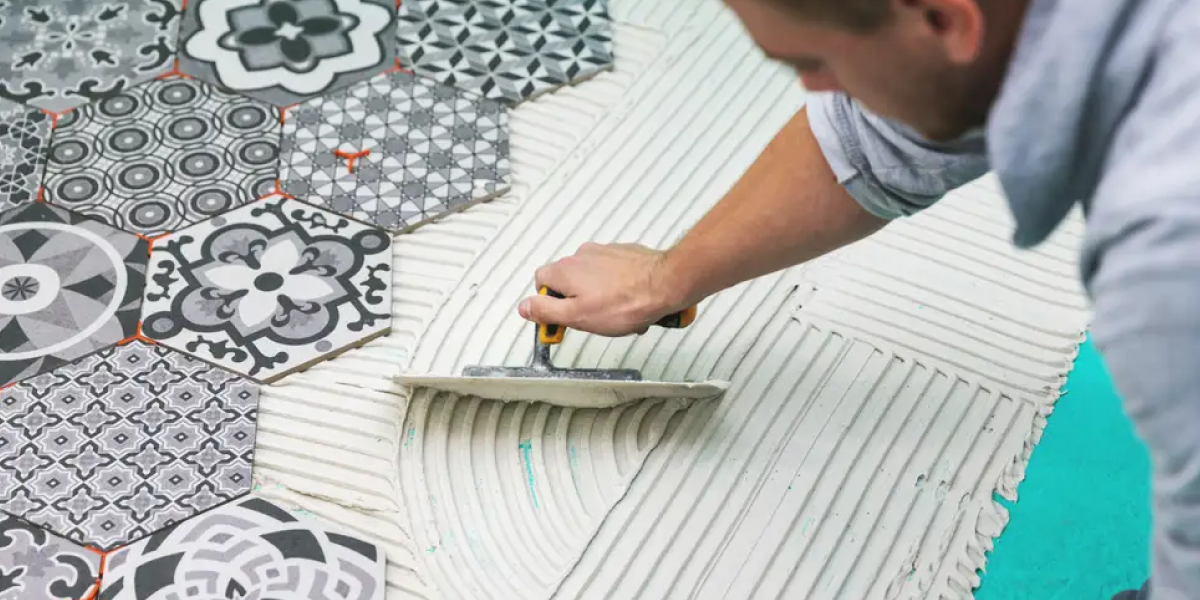
Homeowners often damage historical floors using modern cleaning products designed for glazed porcelain or ceramic tiles. Avoid these critical mistakes:
- Using Acidic Household Products (Vinegar, Lemon Juice, or Hydrochloric Acid): Acid attacks the cement binder in encaustic tiles, destroying the smooth finish and turning rich colors into a dull, white powder.
- Applying Harsh Chemical Bleach: Standard bleach leaves chemical salt residues within porous tile capillaries, accelerating salt efflorescence post-cleaning.
- Abrasive Scrubbing with Steel Wool or Wire Brushes: Metal bristles scratch the delicate mineral pigment layer, leaving deep gouges that trap dirt faster.
- Coating Tiles with Non-Breathable Polyurethane or Gloss Coatings: Topical plastic coatings trap dampness beneath the tile, causing moisture clouding, peeling, and sub-surface flaking.
Step-by-Step Process: How to Clean Encaustic Tiles Safely
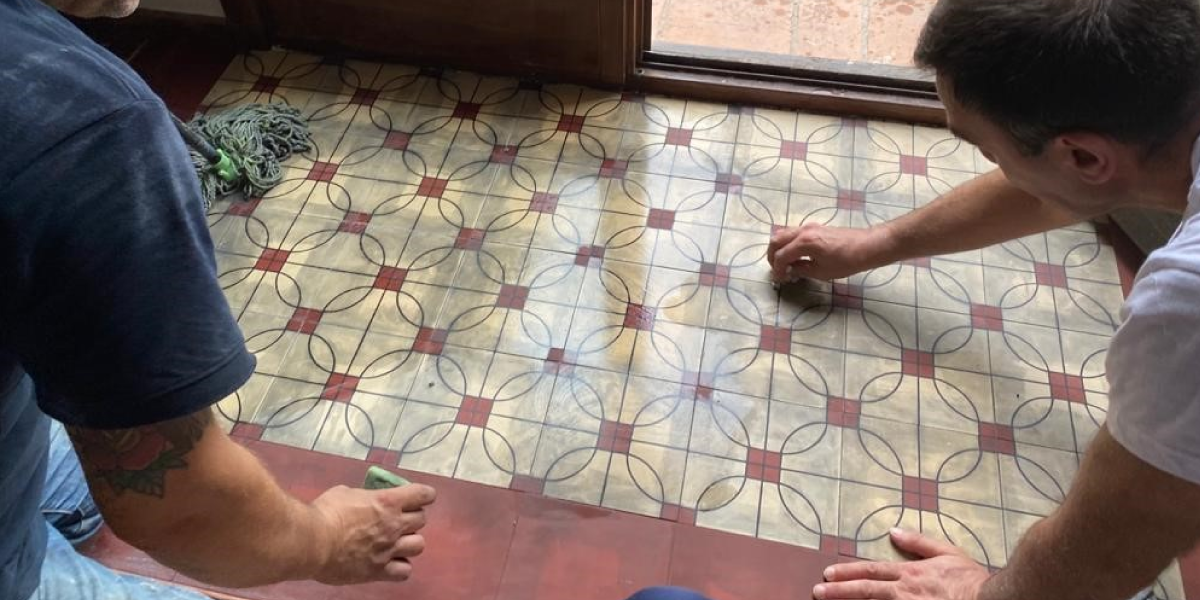
Follow this non-destructive restoration process to clean encaustic floor tiles effectively.
Step 1: Dry Debris Removal
Sweep the entire floor area thoroughly using a soft horsehair broom or vacuum with a brush attachment. Eliminating loose grit prevents surface scratching during the washing phase.
Step 2: Test a Small Hidden Area
Before applying any cleaning agent across the floor, conduct a spot test in an inconspicuous corner to confirm color fastness and chemical compatibility.
Step 3: Apply pH-Neutral Cleaning Solution
Mix a professional-grade pH-neutral natural stone cleaner in warm water. Spray or apply the solution evenly over the floor using a clean microfibre mop.
Step 4: Dwell and Gentle Agitation
Allow the cleaner to sit for 8 to 10 minutes to emulsify surface grime. Scrub gently in circular motions using a soft-to-medium nylon bristle brush or floor scrubber pad.
Step 5: Rinse and Vacuum Slurry
Immediately absorb dirty rinse slurry with a wet-dry vacuum or clean microfibre mop. Never allow dirty rinse water to dry on unsealed encaustic tiles, as pigments will re-absorb dissolved dirt. Rinse with clean water.
Step 6: Targeted Stain Removal
- For Organic Tannin Stains (Leaves/Wine): Apply an oxygenated non-bleach poultice paste over the stain, cover with film, and leave for 12–24 hours to draw out pigments.
- For Old Wax Coatings: Apply a specialized pH-neutral wax stripper, agitate gently, and extract.
Step 7: Complete Drying & Sealing
Allow 48 to 72 hours of drying time. Apply two coats of a premium penetrating (impregnating) sealer. Impregnating sealers coat capillary walls beneath the surface without altering natural appearance or vapor breathability.
Real-World Example: Victorian Tile Restoration in Hawthorn
Case Background: A Hawthorn homeowner renovating a double-fronted Victorian villa uncovered an original 1880s encaustic entryway floor buried under layers of dirt, old carpet adhesive, and blackened floor wax.
The Solution:
- The restoration team mechanically removed loose adhesive and swept fine debris.
- A mild alkaline wax stripper was applied with a 15-minute dwell time to break down multi-decade wax layers without acid.
- Rotary floor machines fitted with soft nylon brushes gently lifted embedded dirt.
- Slurry was extracted using a wet vacuum, followed by a clean water neutral rinse.
- After three full drying days, the team applied a breathable deep-penetrating impregnating sealer.
The Result: The geometric patterns, deep terracotta red, ochre yellow, and cobalt blue shades were fully restored to vibrant life, preserving an irreplaceable heritage asset.
Best Practices for Long-Term Encaustic Tile Care
To maintain the beauty of your Victorian tile restoration:
- Place High-Quality Doormats: Position absorbent matting at exterior entrances to catch dirt and moisture before foot traffic reaches interior tiles.
- Damp Mop Weekly: Clean weekly using warm water and a small quantity of pH-neutral cleaner.
- Avoid Steam Mops: Avoid continuous high-heat steam mops, as extreme thermal expansion can stress original lime mortar beds.
- Schedule Re-Sealing Inspections: Perform a water droplet test annually. If water drops absorb into the tile rather than bead up on the surface, re-apply a penetrating sealer.
Frequently Asked Questions (FAQs)
How do you clean encaustic tiles without damaging them?
To clean encaustic tiles safely, use a soft broom, warm water, and a specialist pH-neutral cleaner. Scrub gently with a soft nylon brush, immediately extract dirty water, and avoid all acidic chemicals, harsh bleaches, or abrasive metal tools.
What is the best cleaner for encaustic tiles?
The best cleaner for encaustic tiles is a professional pH-neutral cleaner specifically formulated for unglazed cement, concrete, or natural stone tiles. Avoid acidic products like vinegar, citrus cleaners, or harsh industrial solvents.
Can you restore old encaustic floor tiles?
Yes, old encaustic floor tiles can be restored. Through professional deep cleaning, wax stripping, stain poultice treatments, regrouting, and penetrating sealing, faded or dirty Victorian tiles can regain their original colors and vibrancy.
How do you remove stains from Victorian floor tiles?
To remove stains from Victorian floor tiles, identify the stain type. Use an oxygenated poultice paste for organic leaf or oil stains, allowing it to draw the contaminant out of tile pores over 24 hours. Never use harsh acids to lift marks.
How often should encaustic tiles be cleaned and sealed?
Encaustic tiles should be swept daily or weekly and damp-mopped with a pH-neutral cleaner. High-traffic residential verandas and entry hallways should be professionally re-sealed every 2 to 4 years using a breathable penetrating sealer.
Can pressure washing restore the appearance of outdoor tiles?
Pressure washing can restore outdoor tiles, but high-pressure blasting should never be used on encaustic or delicate Victorian tiles. High pressure causes surface pitting and strips grout. Low-pressure washing (under 1,200 PSI) with wide fan nozzles or rotary surface cleaners is recommended for outdoor hard surfaces.
Conclusion
Encaustic tiles represent an enduring hallmark of Victorian architecture in Hawthorn, Kew, and Camberwell. Because of their unglazed composition and porous nature, knowing how to clean encaustic tiles correctly is essential for preventing chemical damage and preserving historical beauty. By adhering to pH-neutral cleaning methods, avoiding harsh acids, and applying quality penetrating sealers, you can safeguard your period floor for decades to come. If your period home features historic tiles in need of expert care, Victorian tile restoration requires specialized knowledge and experience. Need professional assistance restoring your period home’s floors? Contact Tile Cleaners Melbourne today for expert encaustic tile cleaning, heritage floor restoration, and custom sealing solutions across Hawthorn, Kew, Camberwell, and greater Melbourne.

Leave A Comment