
Taking pride in your home means creating outdoor spaces that feel just as welcoming, immaculate, and pristine as your interior rooms. Across Melbourne and the Mornington Peninsula, alfresco areas, verandahs, pathways, and pool decks serve as the backdrop for family life. However, constant exposure to unpredictable weather, leaf tannin staining, dirt accumulation, and persistent algae growth quickly turns vibrant outdoor entertainment areas into dull, slippery hazards.
When facing stubborn grime, many homeowners reach for a domestic pressure washer, only to discover that uncalibrated high pressure can chip glazed surfaces, etch natural stone, and blast cement grout out of its joints.
Understanding how professionals clean outdoor tiles reveals why specialized restoration methods produce far cleaner, safer, and longer-lasting results without risking surface destruction. This guide breaks down the commercial equipment, soft-washing chemistry, multi-stage restoration processes, and protective sealing strategies used by industry leaders.
What is Professional Outdoor Tile Cleaning?
Professional outdoor tile cleaning is a specialized surface restoration process that combines chemical pre-treatments, temperature-controlled water extraction, counter-rotating brush agitation, and calibrated pressure washing to deep-clean exterior tiles and grout without causing structural or cosmetic damage.
Quick Summary: How Professionals Clean Outdoor Tiles
- Step 1: Surface Inspection & Porosity Testing — Identifying whether tiles are ceramic, porcelain, terracotta, sandstone, or bluestone to choose safe PSI levels.
- Step 2: Eco-Friendly Pre-Wash Application — Applying pH-balanced cleaning agents to break down dirt, grease, and biological spores at a microscopic level.
- Step 3: Mechanical Rotary Agitation — Scrubbing grout channels and textured tile micro-pores with counter-rotating floor scrubbers.
- Step 4: Hydro-Extraction Rinsing — Extracting dirty slurry using enclosed rotary surface tools operating at regulated water pressures.
- Step 5: Bio-Chemical Neutralization — Applying targeted treatments to eliminate deep-rooted mould and algae spores.
- Step 6: Penetrating Protective Sealing — Applying breathable fluoropolymer sealers to defend against oil spills, moisture, and future staining.
What is Professional Outdoor Tile Cleaning?
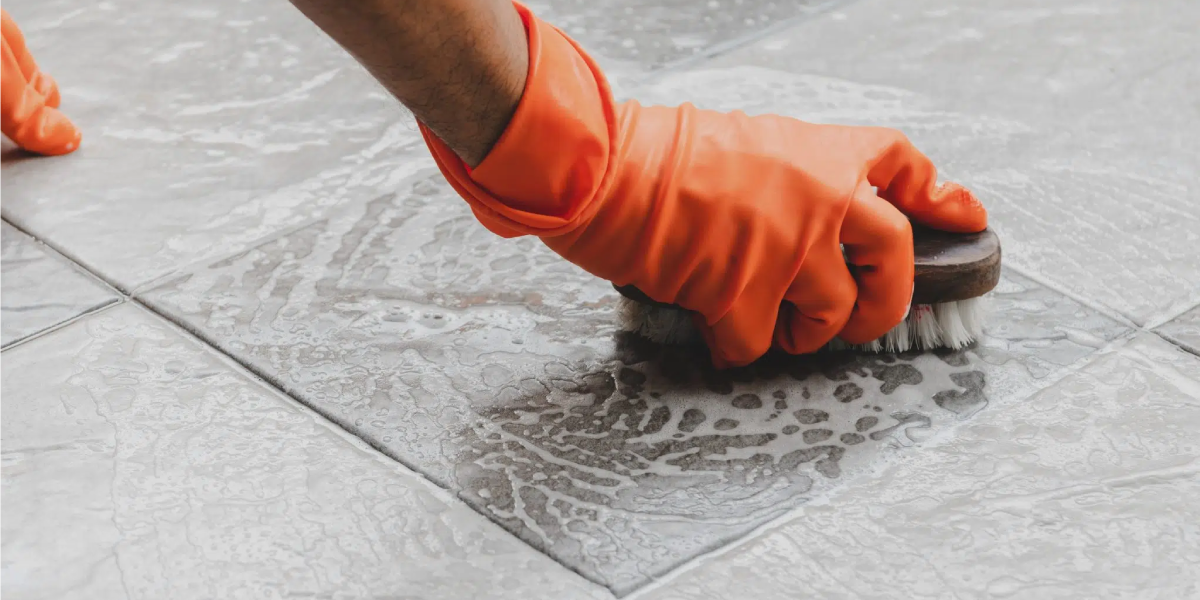
Understanding how professionals clean outdoor tiles begins with recognizing that professional tile care is an engineered chemical and mechanical process—not raw water blasting.
Exterior hardscapes consist of diverse materials, including dense vitrified porcelain, porous bluestone, fragile terracotta, soft sandstone, and cementitious grout. Each substrate reacts differently to water pressure, pH levels, and friction. Professional outdoor tile cleaning balances non-toxic chemical breakdown with controlled water pressure to detach embedded grime from tile pores without compromising the structural integrity of the tile matrix or joint filler.
Why Professional Outdoor Tile Cleaning Matters
Exterior floors endure far harsher environmental stress than indoor living areas. Surface-level sweeping or garden hose rinsing only addresses loose debris, leaving micro-porous cavities filled with active contaminants.
| Benefit | DIY Cleaning Methods | Professional Tile & Grout Cleaning Services |
| Deep Pore Extraction | Cleans surface layer only | Extracts dirt embedded deep within stone and grout pores |
| Grout Line Preservation | High risk of blasting sand-cement out of joints | Preserves grout using low-pressure enclosed rotary heads |
| Biological Neutralization | Leaves fungal roots intact; algae returns rapidly | Neutralizes algae and mould spores at the root level |
| Surface Integrity | Potential for etching, zebra lines, and glaze chipping | Zero surface etching; uses material-calibrated PSI |
| Longevity of Results | Re-soils in weeks | Stays clean up to 3x longer due to penetrating sealers |
Key Benefits of Professional Outdoor Tile Restoration
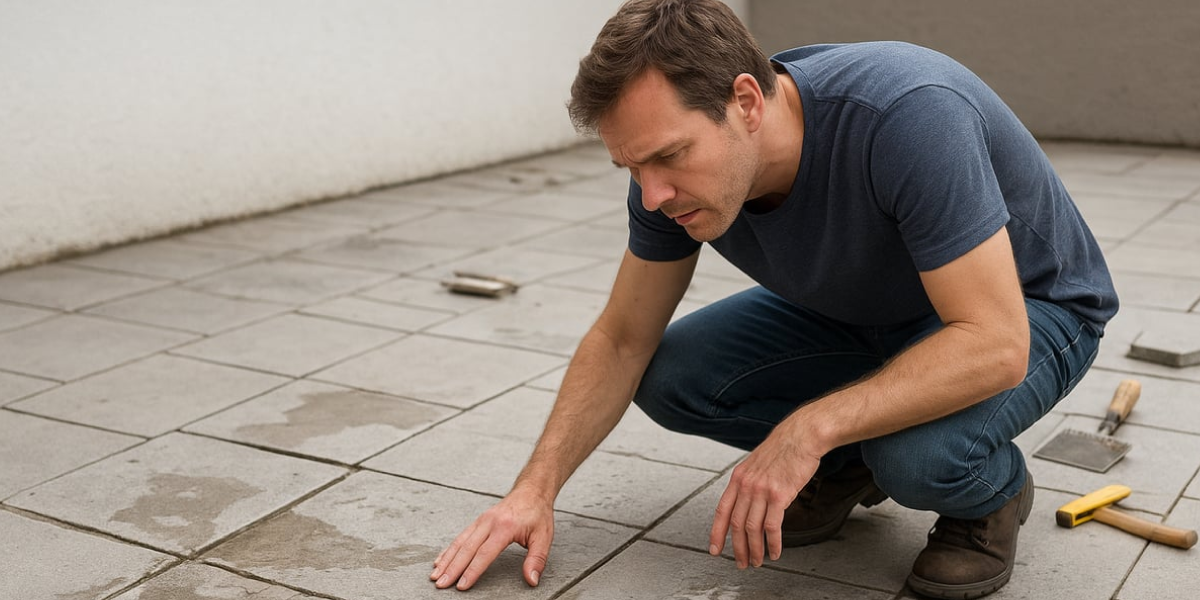
Investing in professional outdoor tile cleaning offers immediate visual improvements and long-term asset protection for your property:
- Eliminates Slip Hazards: Outdoor algae and lichen form an invisible, slick biological film when wet. Professional sanitization strips this organic buildup, restoring slip resistance to pool surrounds and steps.
- Prevents Permanent Substrate Damage: Leaf tannins, bird droppings, and rusty patio furniture release acids that etch porous natural stones like travertine and bluestone. Early professional deep cleaning neutralizes these acidic deposits.
- Extends Grout Life: Hydrophobic rotary extraction washes dirty water away rather than pushing slurry deeper into porous grout lines, preventing grout deterioration.
- Increases Property Value: Clean, well-maintained outdoor entertaining areas significantly enhance kerb appeal and overall property market value.
Common DIY Mistakes to Avoid When Cleaning Outdoor Tiles
Attempting to wash exterior tiles without expert knowledge often leads to severe, costly surface defects.
- Using High-Pressure Wand Tips (0° and 15° Nozzles): Directing pencil-thin water jets onto stone cuts permanent lines into sandstone and strips the surface glaze off ceramic tiles.
- Blasting Water Along Grout Lines: Washing directly along grout channels forces water underneath tiles, causing efflorescence (white salt deposits) and tile lifting.
- Applying Muriatic or Harsh Acids to Natural Stone: Raw acid washes dissolve calcium-based stones like travertine and limestone instantly, leaving behind chalky, etched patches.
- Skipping Chemical Pre-Treatments: Relying solely on water pressure forces operators to use dangerously high PSI to strip dirt, causing unnecessary wear on the tile face.
- Leaving Tiles Unsealed After Cleaning: Deep cleaning opens tile pores. Without applying a fresh penetrating sealer afterward, tiles absorb oil spills and dirt even faster than before.
Surface Compatibility: Safe Pressure & Cleaning Reference
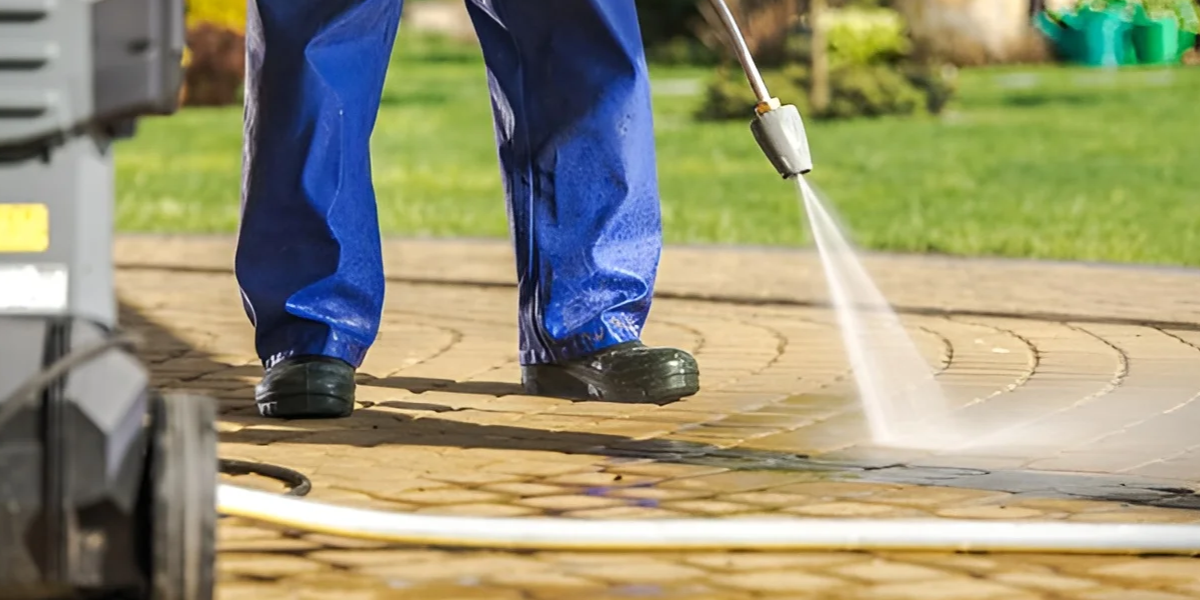
Different materials require distinct combinations of water pressure, cleaning solutions, and rinsing techniques.
| Outdoor Tile Material | Porosity Level | Safe PSI Range | Primary Cleaning Chemistry | Key Risk to Avoid |
| Porcelain Tiles | Non-Porous (<0.5%) | 1,800 – 2,200 PSI | Alkaline Degreaser | Edging damage from high pressure |
| Bluestone / Basalt | Medium Porosity | 1,200 – 1,500 PSI | pH-Neutral / Mild Alkaline | Acid etching and dark water spots |
| Travertine & Limestone | High Porosity | 500 – 1,000 PSI | Mild Eco-Friendly Wash | Surface pitting from raw water pressure |
| Sandstone | Very High Porosity | 400 – 800 PSI | Soft Wash Algaecide | Gouging soft sand grains and delamination |
| Terracotta | High Porosity | 800 – 1,200 PSI | Gentle Pre-Wash | Flaking face glaze and edge chipping |
| Concrete Pavers | Medium Porosity | 2,000 – 2,500 PSI | Heavy-Duty Alkaline Wash | Blasting jointing sand out entirely |
Step-by-Step Process: How Professionals Clean Outdoor Tiles
To understand how professionals clean outdoor tiles, examine the structured, multi-stage restoration protocol used by commercial specialists.
The 6-Phase Professional Restoration Process
| Phase | Title | Equipment / Products Used | Technical Objective |
| Phase 1 | Surface Inspection | Moisture meters, porosity indicators | Identifies tile type, grout state, and safe PSI boundaries |
| Phase 2 | Pre-Wash Application | Low-pressure soft-wash sprayers | Applies non-toxic cleaning chemistry to loosen grime |
| Phase 3 | Mechanical Agitation | Counter-Rotating Brush (CRB) units | Scrubs dirt out of textured micro-grooves and grout |
| Phase 4 | Hydro-Extraction | Enclosed rotary surface cleaners | Rinses dirt uniformly while vacuum-extracting wastewater |
| Phase 5 | Fungal Sanitization | Eco-friendly algaecides | Kills deep-rooted lichen, mould, and algae spores |
| Phase 6 | Penetrating Sealing | Fluoropolymer hydrophobic sealers | Locks out moisture, oil, and future staining |
Detailed Execution Steps
Phase 1: Inspection & Substrate Analysis
Technicians examine tile type, check for loose grout, evaluate pre-existing sealers, and assess water drainage. This inspection dictates the exact chemical ratios, water temperature, and pressure calibration.
Phase 2: Eco-Friendly Pre-Wash Treatment
Technicians coat the tiles with specialized, non-toxic pre-treatments rather than raw water. These biodegradable agents break down embedded oil, organic tree sap, and atmospheric pollution.
Phase 3: Mechanical Agitation
Using counter-rotating brush (CRB) floor scrubbers, the pre-wash is agitated deep into textured tile faces and recessed grout lines. This mechanical scrub loosens dirt without abrading the tile finish.
Phase 4: Enclosed Rotary Hydro-Extraction
Instead of using open spray wands, specialists use enclosed dome surface cleaners. Dual rotating nozzles spin underneath a contained deck, washing tiles at a consistent height and angle. Attached vacuum lines extract dirty slurry immediately, leaving surrounding walls clean.
Phase 5: Deep-Level Mould and Algae Removal
To eradicate black mould and green algae, technicians apply targeted sanitizers that penetrate deep into porous tile capillaries, killing root structures so fungal growth cannot return quickly.
Phase 6: Penetrating Protective Sealing
After drying, tiles receive an application of invisible, breathable fluoropolymer sealer. Unlike topical coats that peel, penetrating sealers soak into the tile and grout structure, repelling oil and water while allowing natural moisture vapor to escape.
Best Practices for Maintaining Outdoor Tiles Post-Cleaning
Maintaining outdoor tile surfaces between professional visits requires minimal effort when using correct methods:
- Sweep Away Organic Matter Daily: Leaves, blossoms, and grass clippings contain tannins that leach into porous stone when wet. Prompt sweeping prevents organic staining.
- Wash with pH-Neutral Cleaners: Avoid using household bleach or harsh dish detergents on outdoor tiles, as they strip protective sealers over time.
- Hose down Pool Decks with Fresh Water: Regularly rinse pool surrounds to prevent chlorine and salt crystal buildup from dulling sealers.
- Clean Oils Quickly: Though sealed tiles resist staining, wipe up barbecue grease promptly to maintain maximum sealer protection.
Real-World Example: Restoring a Mornington Peninsula Alfresco Area
A residential property in Sorrento on the Mornington Peninsula featured 120 square metres of porous bluestone and sandstone surrounding an outdoor kitchen and swimming pool. The tiles suffered from heavy winter algae, black lichen spots, and severe leaf tannin staining.
Restoration Overview
| Initial Problem | Professional Intervention | Final Result |
| Black Lichen & Algae | Applied soft-wash algaecide; allowed 20-minute dwell time | 100% eradication of biological growth without stone damage |
| Leaf Stains & Oil | Alkaline pre-wash agitated with counter-rotating brushes | Full stain lifting from porous sandstone pores |
| Dull, Unsealed Surface | Dual coat of breathable, fluoropolymer penetrating sealer | Vibrant natural stone color restored; excellent water beading |
Outcome:
The alfresco area was completely transformed in four hours, restoring slip resistance and visual appeal without replacing damaged grout or etched stone.
Frequently Asked Questions
How do professionals clean outdoor tiles?
Professionals clean outdoor tiles using a combination of eco-friendly pre-treatments, mechanical brush agitation, and temperature-controlled rotary hydro-extraction tools. This deep-cleaning method lifts embedded dirt, oils, and biological growth from tile micro-pores and grout channels without causing surface damage.
What equipment do professionals use to clean outdoor tiles?
Professionals utilize commercial pressure washing rigs with adjustable PSI, enclosed rotary surface cleaners (surface dogs), counter-rotating brush (CRB) scrubbers, soft-wash chemical applicators, and industrial slurry extraction vacuums.
Is pressure washing safe for outdoor tiles?
Pressure washing is safe for outdoor tiles only when using calibrated pressure levels matched to the tile substrate alongside enclosed rotary surface cleaners. High pressure applied via narrow open wands can chip ceramic glazes, etch natural stone, and strip grout out of joint channels.
How do professionals remove mould and algae from outdoor tiles?
Professionals remove mould and algae by applying specialized eco-friendly algaecides and sanitizers that break down organic cell walls at the root level. Once the biological growth is neutralized, low-pressure rotary extraction lifts the dead spores completely out of the tile pores.
How often should outdoor tiles be professionally cleaned?
Outdoor tiles should be professionally cleaned every 12 to 18 months. Regular annual maintenance removes seasonal leaf tannin buildup, prevents dangerous winter algae growth, and maintains protective sealers on exterior floors.
Protect and Enhance Your Home’s Outdoor Spaces
Your outdoor patio, pool surround, and paths represent significant investments in your home’s beauty and utility. Knowing how professionals clean outdoor tiles underscores the value of choosing safe, engineered restoration methods over high-risk DIY pressure washing.
At Tile Cleaners Melbourne, our family-owned business takes pride in helping local homeowners restore their properties. Servicing Melbourne and the Mornington Peninsula, our experienced technicians use advanced restoration technology, non-toxic eco-friendly products, and high-performance equipment to restore your outdoor tiles to pristine condition. We target underlying floor issues, protect your grout lines, and enhance your home’s total value.
Contact our team today for a free consultation and quote on our professional outdoor tile cleaning services, and let us bring your outdoor living space back to life.

Leave A Comment