
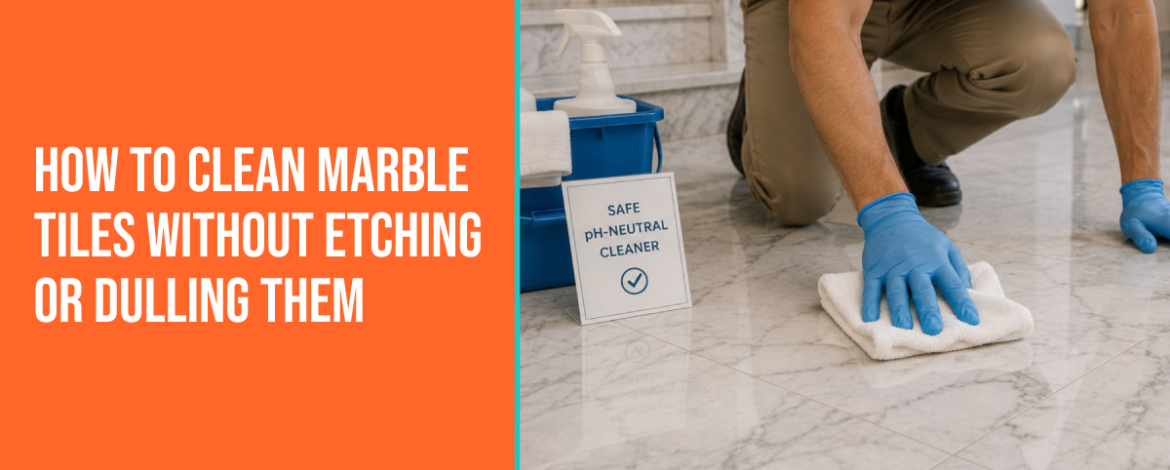
Marble tiles add unmatched elegance, luxury, and timeless aesthetic value to Melbourne homes—from classic Toorak entryways to modern South Yarra bathrooms. However, marble is as delicate as it is beautiful. Many homeowners discover too late that their high-end natural stone flooring has developed chalky white ring marks, dull patches, or permanent surface etching after routine cleaning.
If you are wondering how to clean marble tiles without etching or dulling them, understanding the underlying chemistry of metamorphic stone is crucial. Marble is primarily composed of calcium carbonate, making it chemically sensitive to acidic substances, harsh alkalines, and abrasive cleaning tools. Standard household cleaners that work wonders on vitrified ceramic or glazed porcelain can permanently damage marble within seconds.
This guide provides an expert blueprint on safe marble tile cleaning, chemical selection, step-by-step cleaning routines, stain removal, and long-term stone preservation strategies.
Quick Answer
What Is Marble Etching and Dulling?
Marble etching is a chemical reaction that occurs when acidic substances (such as vinegar, lemon juice, or harsh acidic detergents) react with the calcium carbonate in marble, dissolving the top layer of stone and leaving behind a dull, rough, or light-colored mark. Dulling occurs when fine abrasive grit or film-forming soaps scratch and cloud the polished surface finish.
Quick Step-by-Step Summary: How to Clean Marble Tiles Without Etching or Dulling Them
- Dry Sweep / Dust Mop: Remove loose grit and abrasive particles daily using a clean, soft microfibre dust mop.
- Apply a pH-Neutral Cleaner: Spray or mop with a specialist pH-neutral natural stone cleaner diluted in warm water (pH 7.0).
- Gentle Wipe & Agitation: Use a clean, non-abrasive microfibre mop or soft cloth to clean surfaces. Never use scouring pads or stiff brushes.
- Rinse with Fresh Water: Wipe down with fresh, clean water to remove any suspended dirt or residue.
- Microfibre Buffing: Buff the floor completely dry with a clean microfibre towel to prevent water spots and restore natural lustre.
- Maintain Penetrating Sealer: Apply a high-performance impregnating sealer every 1–2 years to block liquid absorption.
The Science of Marble: Why Is Marble So Sensitive?
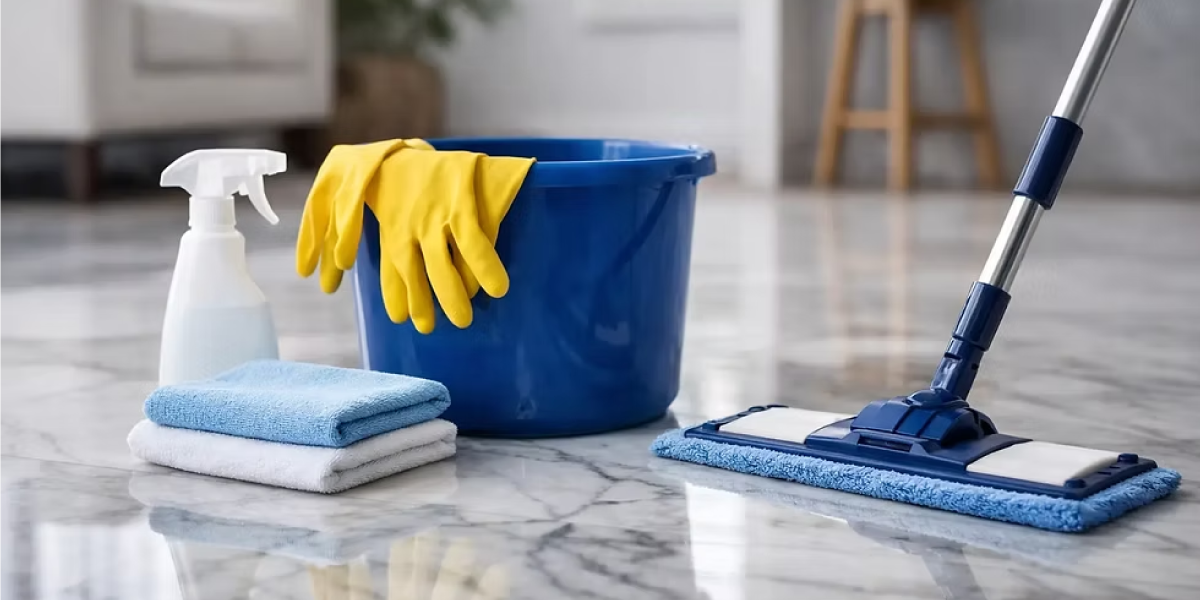
Calcium Carbonate and Acidic Reactions
Marble is a metamorphic stone formed when limestone is subjected to intense heat and pressure over millions of years. Its core structural matrix consists of mineral calcite (calcium carbonate).
When an acidic solution comes into contact with calcium carbonate, a chemical reaction takes place:
CaCO₃ + 2H⁺ → Ca²⁺ + H₂O + CO₂
This reaction literally dissolves the polished surface layer of the stone. Even mild organic acids like acetic acid (vinegar) or citric acid (lemon juice) will instantly etch polished marble, turning a high-gloss finish into a chalky, light-colored, tactile depression.
Porosity and Micro-Scratches
Although polished marble looks smooth and non-porous, it features micro-capillaries that absorb liquids, oils, and tannins. Furthermore, sand and grit tracked in from outside act like coarse sandpaper under foot traffic, creating micro-scratches that scatter light and make the stone appear dull and lifeless over time.
Key Benefits of Safe Marble Tile Cleaning
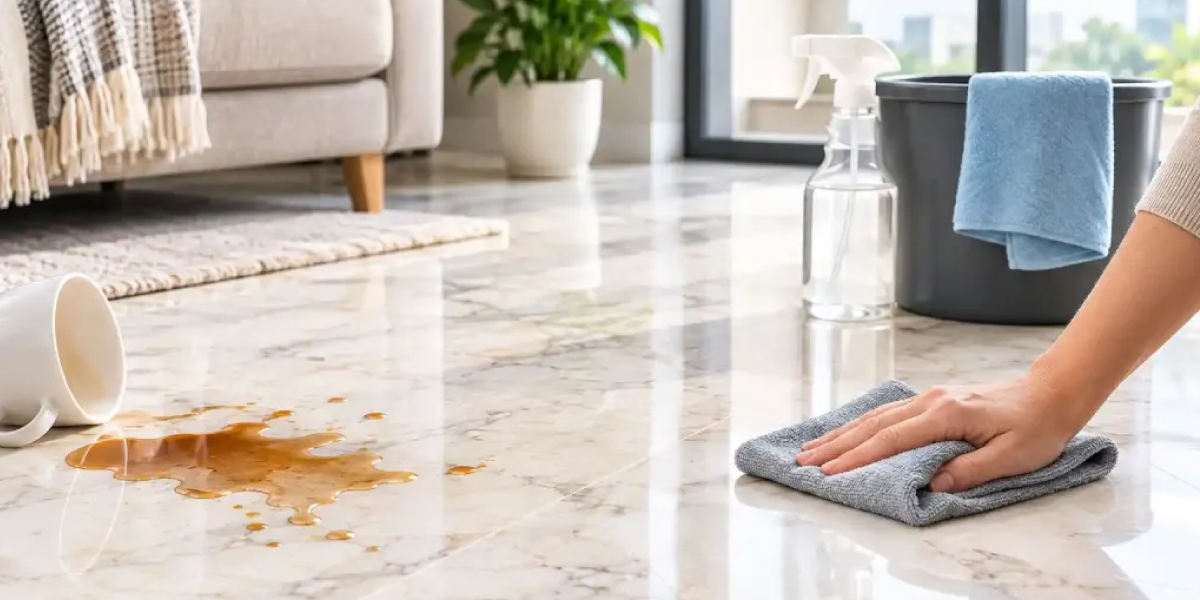
Adopting surface-safe marble maintenance protocols offers substantial aesthetic and financial rewards:
- Preserves Polished Polish & Depth: Keeps your floor looking glossy and vibrant without requiring expensive mechanical diamond re-polishing.
- Prevents Permanent Chemical Damage: Stops etching before it starts, saving thousands in professional stone restoration costs.
- Extends Sealer and Stone Lifespan: Safe cleaning solutions preserve protective sealers rather than stripping them away.
- Enhances Indoor Aesthetic & Home Value: Pristine, well-maintained marble floors significantly boost resale value across Melbourne luxury real estate.
Marble Surface Cleaner Compatibility Guide
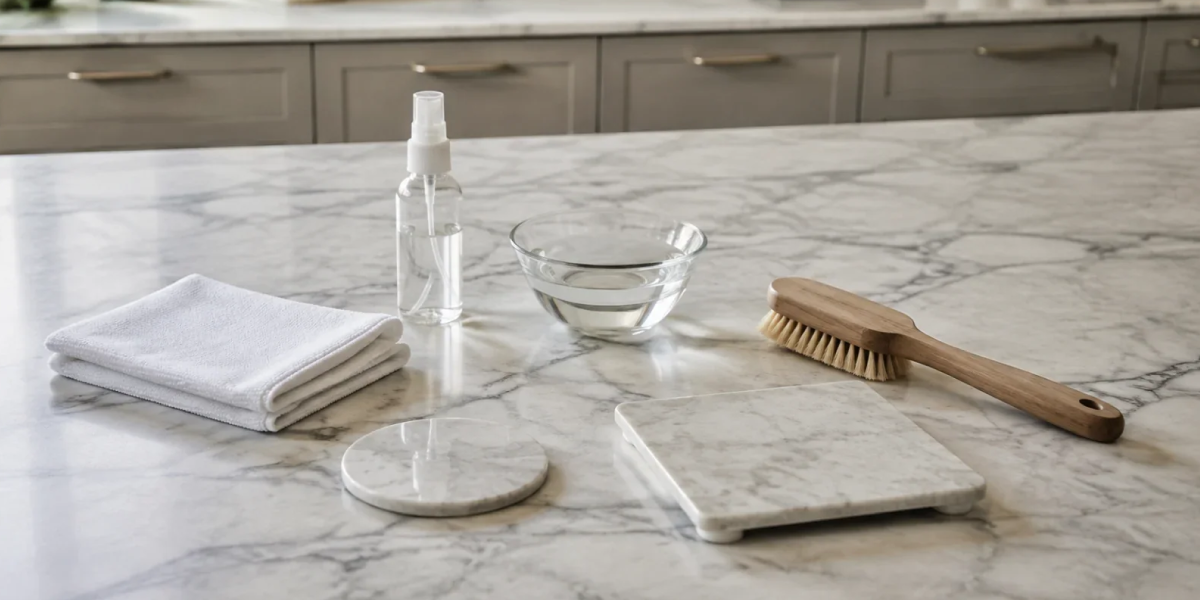
Selecting the right chemical product is the single most critical aspect of marble tile care:
| Product / Chemical | pH Level | Marble Compatibility | Surface Impact / Risk |
|---|---|---|---|
| pH-Neutral Stone Cleaner | pH 7.0 | Highly Recommended | Completely safe; lifts dirt without stripping sealers or etching stone. |
| Warm Water & Mild Dish Soap | pH 7.0–7.5 | Safe (Occasional) | Safe for stone, but can leave a dull soap scum film if not rinsed thoroughly. |
| Vinegar / Lemon Juice | pH 2.0–3.0 | STRICTLY PROHIBITED | SEVERE DAMAGE: Causes immediate chemical etching and permanent dull spots. |
| Chlorine Bleach / Ammonia | pH 11.0–12.0 | NOT RECOMMENDED | High alkalinity strips sealers and causes surface yellowing over time. |
| Abrasive Scouring Powders | Variable | STRICTLY PROHIBITED | PHYSICAL DAMAGE: Scratches the polished surface finish mechanically. |
Common Mistakes When Cleaning Marble Tiles
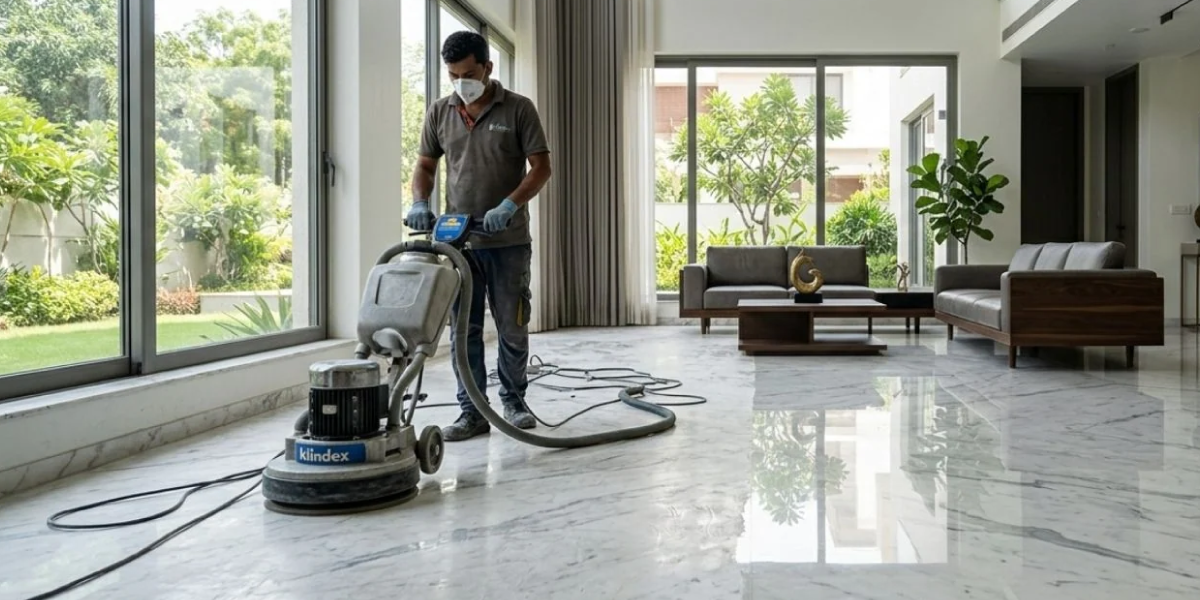
Avoid these severe cleaning errors that lead to permanent damage:
- Using Acidic Cleaners (Vinegar, Lemon, Citrus, CLR): DIY vinegar hacks are widely recommended online for ceramic tiles, but acid is toxic to marble surfaces.
- Scouring with Abrasive Pads or Steel Wool: Using green scouring pads or abrasive brushes creates millions of microscopic scratches, dulling the floor instantly.
- Leaving Water Spills to Air Dry: Melbourne tap water contains minerals that leave water spots, while standing liquids can seep into unsealed grout lines.
- Using Heavy Floor Waxes or Polyurethane Coatings: Coating marble with topical acrylic waxes traps moisture inside, turning yellow and peeling unevenly.
Step-by-Step Process: How to Clean Marble Tiles Without Etching or Dulling Them
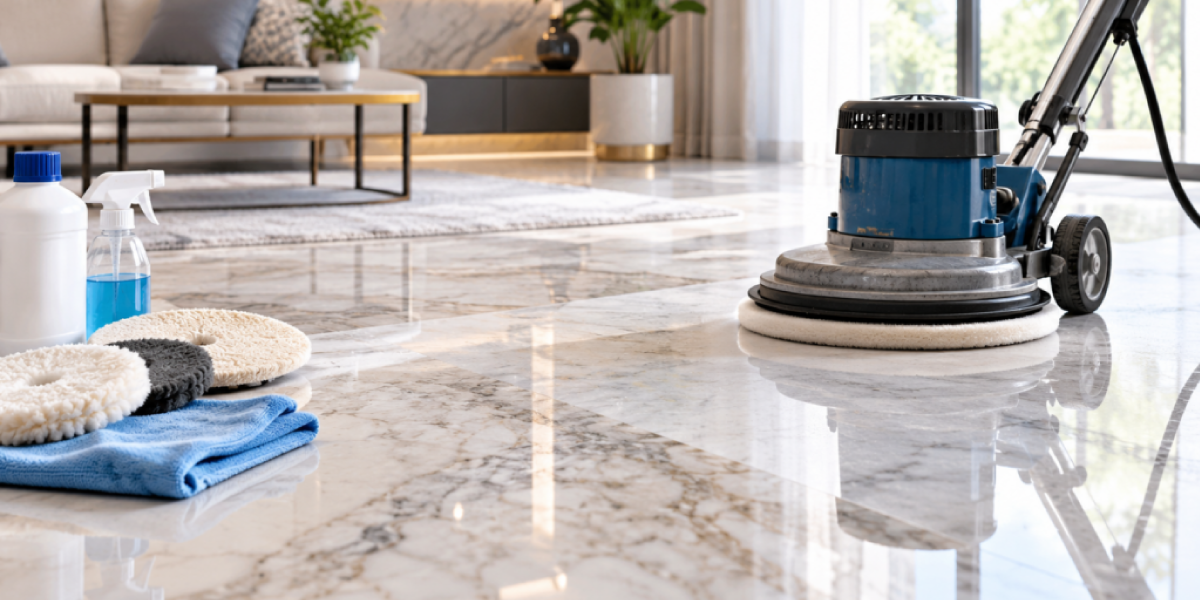
Follow this professional step-by-step restoration and maintenance process to keep marble floors looking brand new.
Step 1: Dry Dust Mopping
Sweep the floor using a dedicated soft microfibre dust mop. Never use a vacuum with a hard-plastic rotating beater bar, as the wheels and metal parts can scratch soft marble.
Step 2: Prepare a pH-Neutral Solution
Mix a professional-grade pH-neutral natural stone cleaner in warm water according to manufacturer guidelines. Ensure your mop bucket is clean and free of previous chemical residues.
Step 3: Damp Mop Section by Section
Dampen a microfibre flat mop in the solution and wring it out thoroughly. Mop the floor in gentle, overlapping S-patterns. Avoid saturating the floor with excessive water.
Step 4: Rinse with Clean Water
Rinse the mop head or use a second bucket of clean water to perform a final rinse, removing any suspended dirt or cleaner residue.
Step 5: Dry and Buff Completely
Immediately wipe and dry the surface with a plush, dry microfibre towel. Buffing removes leftover moisture, eliminates water spots, and enhances natural stone shine.
Step 6: Spot Treat Oil or Color Stains (Poultice Treatment)
If food, wine, or oil absorbs into the marble pores, apply a non-acidic stone poultice powder mixed with water or a specialized stone stain remover. Cover with plastic wrap, let it dry for 24 hours to draw the stain out, and brush away.
Real-World Example: Marble Entryway Restoration in Toorak
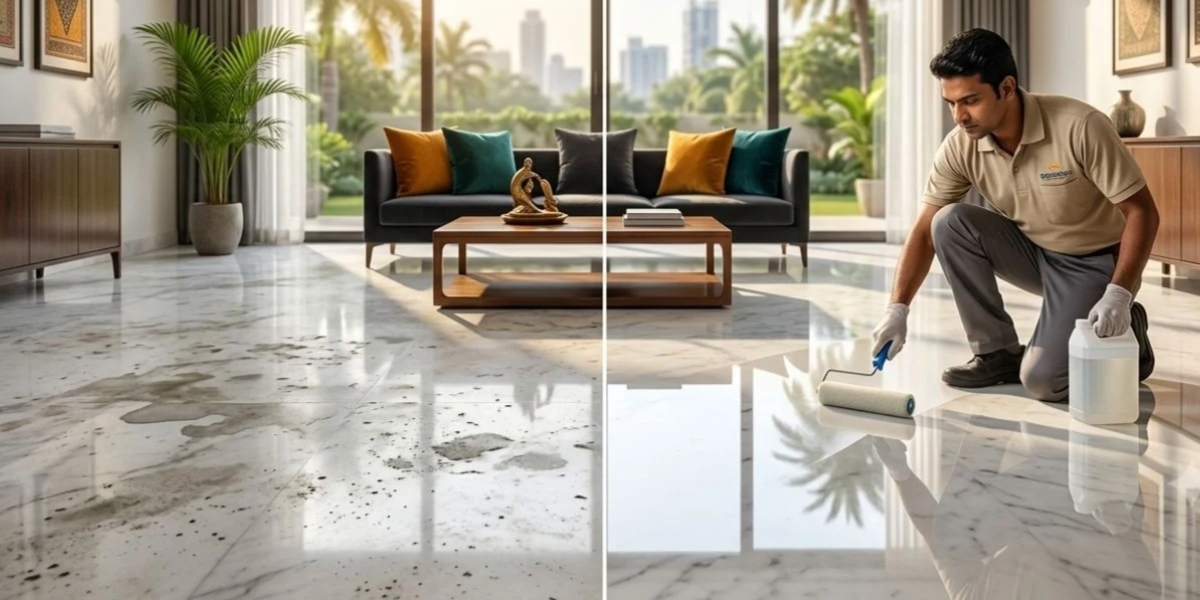
Case Background: A homeowner in Toorak noticed their grand Carrara marble entryway had lost its high-gloss shine, developing dull patches near the front door and chalky white ring marks near an indoor plant stand.
The Solution:
- Professional inspection revealed that acidic plant fertilizer and vinegar-based DIY cleaners had severely etched the surface.
- The team used rotary floor machines fitted with fine diamond-impregnated polishing pads (800 to 3,000 grit) to mechanically hone and re-polish the etched marble without chemical acids.
- After restoring optical clarity, a deep-penetrating solvent-based impregnating sealer was applied to protect tile pores against future spills.
- The homeowner was provided with a pH-neutral maintenance kit and microfibre dust mop system.
The Result: The Carrara marble regained its mirror-like finish, and etching marks were completely eliminated.
Best Practices & Pro Tips for Long-Term Marble Maintenance
Keep your marble tiles looking immaculate with these expert maintenance rules:
- Use Felt Protectors on Furniture Legs: Prevent deep mechanical scratches by fitting soft felt pads beneath all chair and table legs.
- Place High-Quality Doormats at Entrances: Capture abrasive quartz sand and street dirt at external doors before it touches your marble flooring.
- Wipe Spills Immediately: Treat all liquid spills—especially wine, coffee, juice, and tomato sauce—as emergencies. Blot (do not rub) immediately with a soft towel.
- Re-Seal Periodically: Perform a water droplet test annually. If water drops stop beading up and absorb into the stone within 5 minutes, re-apply a quality impregnating sealer.
Frequently Asked Questions (FAQs)
What is the safest way to clean marble tiles?
The safest way to clean marble tiles is to sweep daily with a soft microfibre dust mop and damp-mop weekly using a specialist pH-neutral natural stone cleaner diluted in warm water. Always dry the floor completely with a microfibre towel afterwards.
How do you clean marble without causing etching?
To clean marble without causing etching, strictly avoid all acidic chemicals (including vinegar, lemon juice, citrus cleaners, and scale removers) as well as harsh alkalines. Use only pH 7.0 neutral cleaners specifically labeled safe for marble and natural stone.
What cleaning products should you avoid on marble tiles?
You should avoid vinegar, lemon juice, bleach, ammonia, acidic bathroom cleaners, grout cleaners, abrasive scouring powders, green scouring pads, steel wool, and steam mops on marble tiles.
Can vinegar be used to clean marble tiles?
No, vinegar should NEVER be used on marble tiles. Vinegar is acetic acid ($\approx \text{pH } 2.5$), which reacts chemically with marble’s calcium carbonate structure, causing immediate, permanent etching and dull spots.
How do you keep marble tiles looking shiny and new?
To keep marble tiles looking shiny and new, dry dust mop frequently to remove abrasive grit, clean with pH-neutral stone detergents, buff dry after washing, apply a penetrating stone sealer every 1–2 years, and have polished marble professionally re-honed with diamond pads when traffic wear occurs.
Conclusion
Learning how to clean marble tiles without etching or dulling them comes down to respecting the unique physical and chemical characteristics of natural stone. By eliminating acidic cleaners, protecting surfaces from abrasive dirt, using pH-neutral detergents, and sealing marble regularly, you can enjoy the luxurious brilliance of your stone floors for a lifetime. If your marble surfaces have suffered from dullness, deep staining, or chemical etching, professional stone restoration technicians can safely hone and re-polish your floors back to factory shine. Need expert care for your marble floors? Contact Tile Cleaners Melbourne today for professional marble cleaning, diamond polishing, etch removal, and premium stone sealing services across Melbourne.

Leave A Comment