
You know that moment when you finish tiling and then stop to think, “Wait, what do I use to fill these gaps?” That’s when the question of Sanded vs. Unsanded Tile Grout pops up. It might sound small, but choosing the right grout matters a lot. It changes how strong your tiles stay, how they look, and how long they last.
Simply put, sanded grout has sand mixed in, which makes it strong and great for wider gaps. On the other hand, unsanded grout is smooth and works better for smaller gaps or shiny, delicate tiles.
Let’s talk more about both, so you know exactly which one fits your tiles best.
Key Takeaways
|
What is Grout?
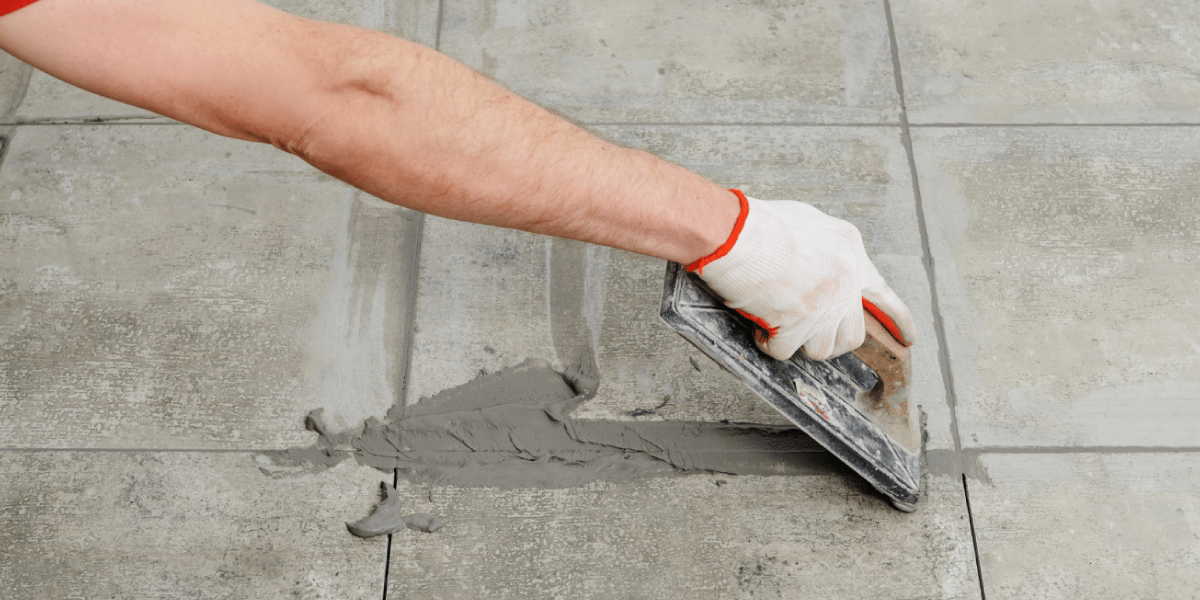
Grout is the material that fills the gaps between tiles. It keeps the tiles in place, stops water from getting underneath, and makes the surface look neat and smooth.
There are two main kinds of grout: sanded grout and unsanded grout, and each one works best for different types of tile jobs.
Sanded Grout – What It Is and When to Use It
Sanded grout has fine sand mixed in. It’s strong and best for wide gaps (over 1/8 inch) and busy floor areas. Sanded grout is made from cement with added sand grains.
The sand gives it a better grip, more strength, and helps stop cracks. It also stops the grout from shrinking as it dries. That’s why it’s great for floors, countertops, and places that get lots of foot traffic or pressure.
Pros of Sanded Grout
| Advantage | Description |
| Stronger and durable | Handles heavy pressure without cracking. |
| Less shrinkage | Sand filler keeps it stable while drying. |
| Budget-friendly | Sand is cheap, making this grout affordable. |
| More colour options | Comes in many shades to match your tiles. |
Cons of Sanded Grout
| Disadvantage | Description |
| Can scratch delicate tiles | Rough texture may mark glass, marble, or polished stone. |
| Harder to use in narrow joints | The sand particles make it thick. |
| Porous texture | Can trap dirt, so sealing is important. |
Best for: Floors, countertops, and joints 1/8 inch or wider.
Unsanded Grout – What It Is and When to Use It
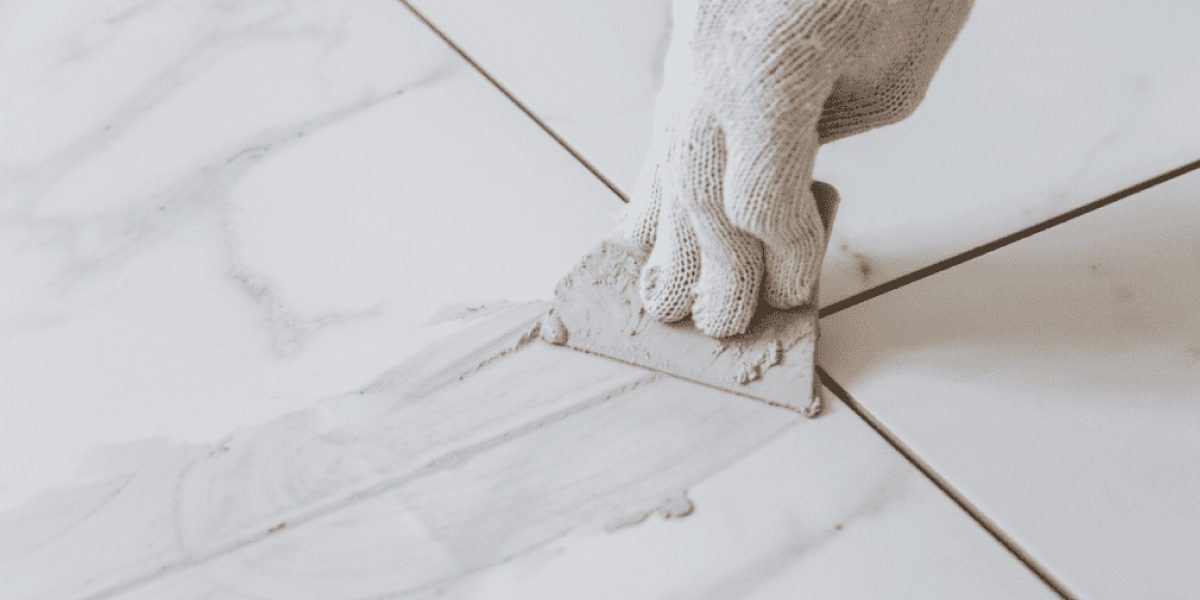
Unsanded grout has no sand in it. It’s smooth and perfect for small gaps (under 1/8 inch) and gentle tile surfaces like glass or marble. Instead of sand, it uses special polymers to help it stick and hold strong.
The texture feels a bit sticky, which makes it the best grout for shower areas, walls, and backsplashes. It stays in place easily and gives a neat, shiny finish that looks clean and elegant.
Pros of Unsanded Grout
| Advantage | Description |
| Gentle on delicate tiles | Will not scratch glass, polished stone, or metal. |
| Perfect for narrow joints | Fills small gaps easily and evenly. |
| Good for walls and vertical surfaces | Its stickiness prevents slumping. |
| Easier to clean | Smoother surface collects less dirt. |
Cons of Unsanded Grout
| Disadvantage | Description |
| Can crack in wide joints | Shrinks more when used in large gaps. |
| Less durable under pressure | Not ideal for floors or heavy areas. |
| More costly | Polymers make it pricier than sanded grout. |
| Fewer colour options | Comes in limited shades. |
Best for: Walls, delicate tiles, backsplashes, and joints up to 1/8 inch wide.

Sanded vs. Unsanded Tile Grout: Comparison Table
Here’s a quick table that shows how sanded and unsanded grout compare in every way.
| Feature | Sanded Grout | Unsanded Grout |
| Main Material | Cement + sand | Cement + polymers |
| Texture | Coarse and gritty | Smooth and creamy |
| Ideal Joint Width | 1/8 inch or wider | Up to 1/8 inch (down to 1/16 inch) |
| Durability | Very strong | Softer and less durable |
| Scratch Risk | Can scratch soft tiles | Safe for delicate tiles |
| Best For | Floors, large tiles, high traffic | Walls, glass, marble, small tiles |
| Ease of Application | Harder in tight joints | Easy in narrow spaces |
| Cost | Lower | Higher |
| Sealing Need | Must be sealed | Recommended but not always required |
| Durability Rating | 9/10 | 6/10 |
Where to Use Sanded and Unsanded Tile Grout
Sanded and unsanded grout each has spots where they work best.
Sanded grout is great for floors, countertops, and areas with lots of foot traffic because it is strong and durable, but it can scratch delicate tiles and doesn’t hold well on walls.
On the other hand, unsanded grout works really well on walls, backsplashes, shower walls, and delicate tiles like glass or polished stone because it sticks in place and won’t scratch, but it is weaker for floors or high-traffic areas.
Choosing the right one depends on your tile type, joint size, and where the grout will be used.
Cost Comparison Between Sanded and Unsanded Tile Grout
Sanded grout is cheaper. For instance, a 20 kg bag of Kemgrout Sanded Grout is listed at AU $35.00. On the other hand, a 10 lb (≈4.5 kg) bag of Polyblend Non‑Sanded Tile Grout is listed at AU $163.00.
These show unsanded grout can cost substantially more per weight compared to standard sanded grout. The sand in sanded grout is cheap, while the polymers in unsanded grout are pricier.
So, sanded grout gives more value for big jobs, and unsanded grout is worth it when you need to protect delicate tiles.
How to Pick the Right Grout for Your Project
Always use tile grout that matches your tile surface and joint size. Here’s a simple guide for you:
| Situation | Best Choice | Why |
| Large floor tiles | Sanded grout | Handles heavy traffic |
| Glass or marble tiles | Unsanded grout | Won’t scratch |
| Tight joints | UnSanded grout | Smooth texture |
| Wide joints | Sanded grout | Prevents cracking |
| Bathroom wall | UnSanded grout | Clings well to vertical surfaces |
Maintenance and Sealing Tips
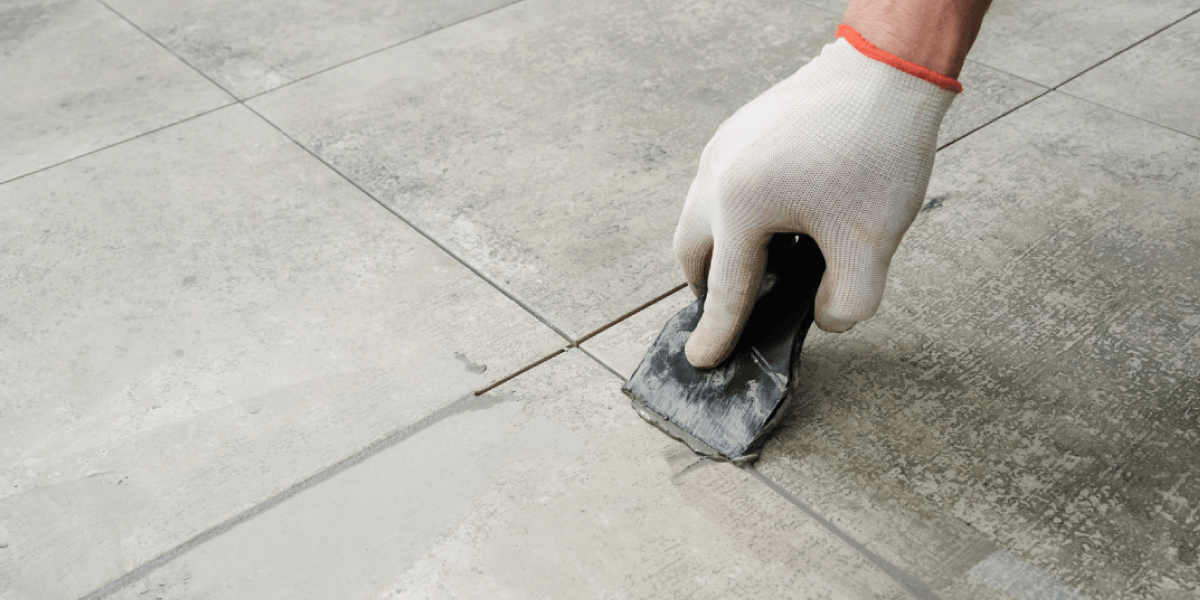
Seal both sanded and unsanded tile grout types to keep water and dirt out. Sanded grout is more porous, so it must be sealed after installation. Use a pH-neutral, water-based sealer.
On the other hand, unsanded grout is smoother and less porous, but sealing is still recommended in wet areas like bathrooms or showers to extend its life. Also, regular tile and grout cleaning is important.
Even sealed grout can trap dirt, stains, and bacteria over time. Cleaning your tiles keeps them looking fresh, protects the grout, and helps your floors stay safe and beautiful for years.
Wrapping Up
When it comes to sanded vs. unsanded tile grout, think about tile type, joint size, and surface. Sanded grout is best for floors and wide joints. Unsanded grout works great for delicate tiles and narrow gaps. Both have their place. Just pick the right one.
For lasting shine, tile and grout cleaning is super important. Melbourne Tile Cleaners use high-pressure machines and sealants to remove stains and protect your floors.
Get your tiles looking fresh and clean today with Melbourne Tile Cleaners! Get a Free Quote Now!
FAQs
- Is unsanded grout easier to clean than sanded grout?
Yes, unsanded grout is smoother, so it traps less dirt. Sanded grout has a rougher surface, which can hold dust and grime, but cleaning with a soft brush and solution helps.
- Can I use sanded grout in a shower?
You can, but only for shower floors or wider joints. For walls or delicate tiles, unsanded grout is a better choice since it won’t scratch and sticks better vertically.
- What happens if I use sanded grout in small joints?
It won’t fill properly. The sand makes it thick, leading to pinholes and uneven surfaces. Always use unsanded grout for narrow joints under 1/8 inch.
- How long does grout take to cure?
Both sanded and unsanded grout take about 72 hours to cure fully. Wait at least 7 days before exposing it to water or heavy cleaning.

Leave A Comment