

Brunswick terrace homes carry timeless architectural charm, from Victorian wrought-iron lacework to intimate rear courtyards lined with classic terracotta, bluestone, slate, sandstone, or vitrified porcelain. However, Melbourne’s damp, cold winter months take a heavy toll on exposed outdoor living areas. When spring sun finally breaks through, many homeowners step onto their courtyard only to discover gray grime, greenish biofilm, milky efflorescence, and deeply shaded water marks across their patio.
If you are wondering how to clean outdoor tiles after winter without eroding delicate surfaces or ruining porous natural stone, you are not alone. Winter weather trapped moisture in fine surface pores, compromised aged sealers, and encouraged organic growth like algae and lichen. Restoration requires understanding the exact material composition of your outdoor tiles and selecting targeted, pH-appropriate cleaning methods.
This comprehensive guide breaks down why winter dulls terrace surfaces, the common mistakes to avoid, a step-by-step restoration workflow, and professional tips to ensure your outdoor patio stays vibrant year-round.
Quick Answer
What Causes Dull Outdoor Tiles After Winter?
Outdoor tiles lose their lustre during winter due to persistent moisture absorption, organic growth (algae, moss, lichen), dirt encapsulation, efflorescence (salt deposits bubbling to the surface), and degraded protective sealers.
Quick Step-by-Step Summary: How to Clean Outdoor Tiles After Winter
- Clear and Dry Sweep: Remove leaves, organic matter, and loose grit using a stiff bristle broom.
- Apply a Specialized Cleaning Solution: Spray a dedicated, neutral pH cleaner for natural stone or an alkaline degreaser/organic stain remover for porcelain and terracotta.
- Dwell and Agitate: Allow the solution to break down grime for 10–15 minutes, then scrub vigorously with a hard-nylon deck brush.
- Controlled Low-Pressure Rinse: Flush thoroughly with clean water or a wide-fan nozzle pressure washer kept at low pressure (under 1,500 PSI).
- Treat Stubborn Stains: Apply targeted treatments for efflorescence, iron deposits, or embedded grease stains.
- Reseal Surfaces: Once completely dry (24–48 hours), apply a high-quality penetrating (impregnating) sealer to protect tiles against future winter weather.
Understanding Winter Damage on Outdoor Terrace Tiles
What Happens to Tiles During Melbourne Winters?
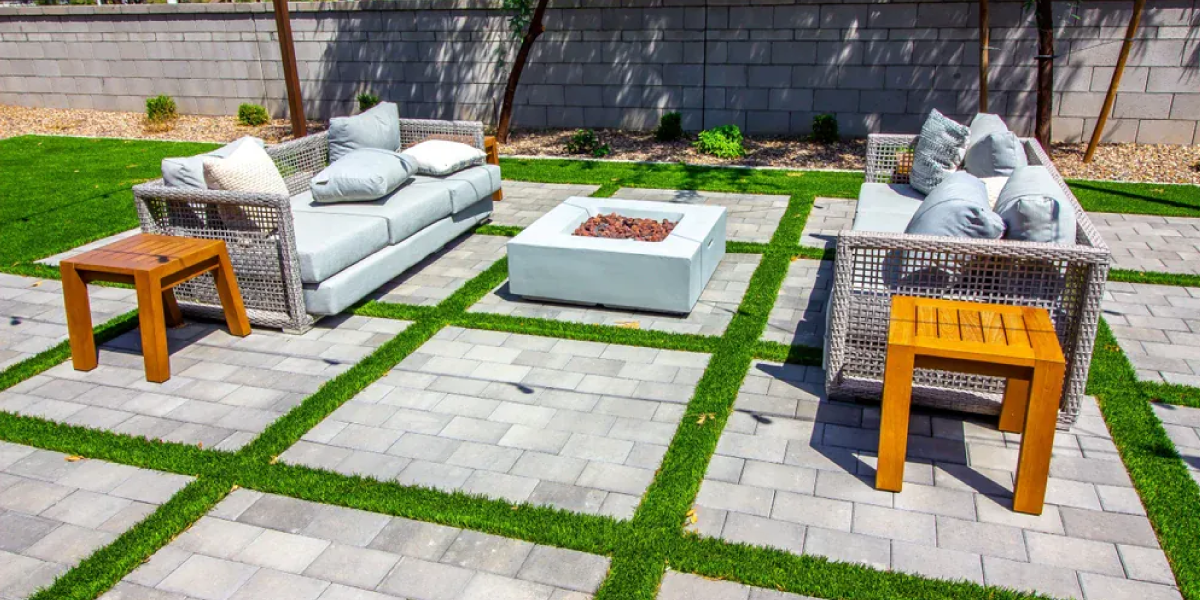
Outdoor tiles endure constant moisture exposure, fluctuating microclimates, and persistent shade during southern hemisphere winters. In suburban courtyards across Brunswick, high boundary walls and mature trees prevent direct sunlight from reaching paving surfaces.
This environment fosters trapped moisture inside tile pores and grout joints. As water sits in these capillaries, it holds airborne dirt, fallen tree tannin, and fungal spores. When moisture evaporates slowly, it leaves behind a cloudy layer of dirt and mineral salts, giving tiles a chalky, flat, or discolored appearance.
Why Surface Sealing Fails Over Time
Sealers create an invisible bar against moisture and liquid contaminants. However, traffic wear, UV degradation, and prolonged standing water degrade topical and penetrating sealers over 1 to 3 years. Once the sealer breaks down, unsealed grout lines and tile pores absorb dirty rainwater like a sponge.
Key Benefits of Deep Cleaning and Restoring Your Patio Tiles
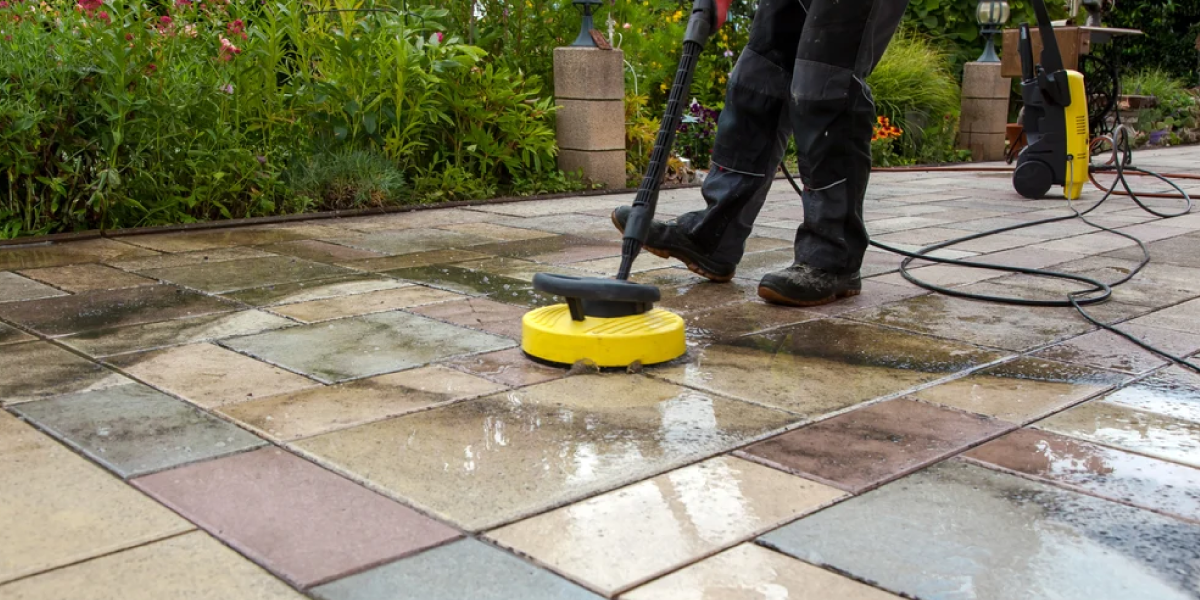
Investing time in proper outdoor tile cleaning after winter yields significant long-term structural and aesthetic benefits:
- Restores Curb Appeal and Living Space: Removes dark streaks and greenish haze, making outdoor courtyards welcoming for spring entertaining.
- Extends Tile and Grout Lifespan: Prevents embedded salt crystals from expanding within stone capillaries, stopping surface spalling and flaking.
- Eliminates Slip Hazards: Moist algae and moss form an invisible slick gel on tiles; deep cleaning restores natural traction and footing safety.
- Protects Property Value: Well-maintained hardscaping preserves the historic character of inner-city heritage terraces.
Tile Material Guide: Identifying Your Brunswick Terrace Surface
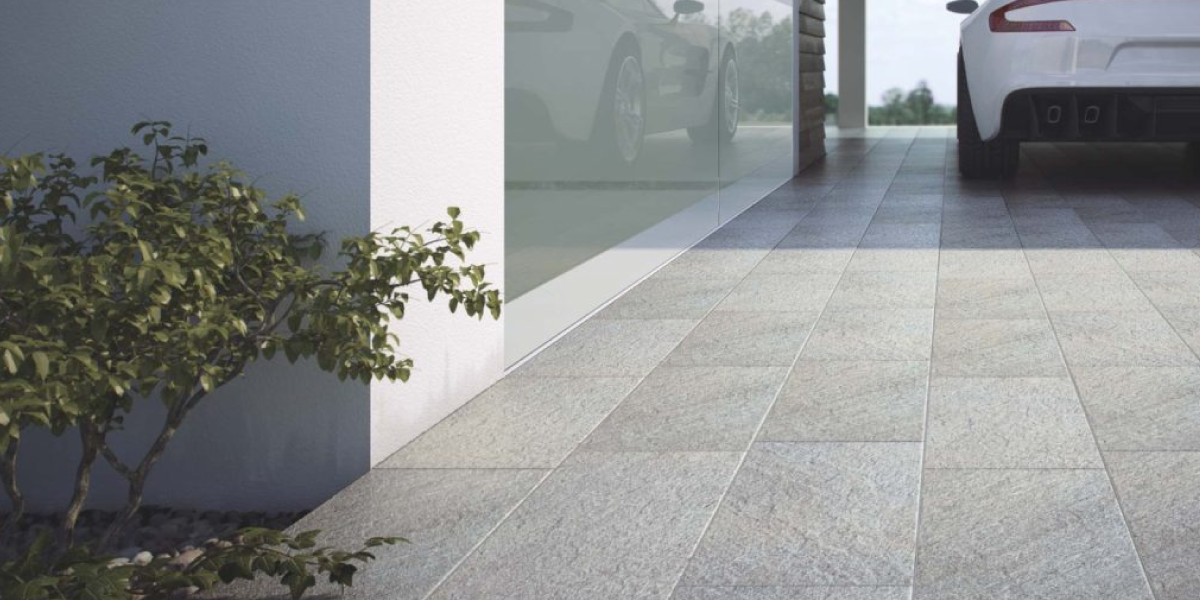
Different tile materials require completely distinct care protocols. Using incorrect chemicals on stone can cause permanent etching or pitting.
| Tile Type | Porosity Level | Primary Winter Vulnerability | Recommended Cleaning Approach |
|---|---|---|---|
| Terracotta | High | Deep water absorption, green moss, salt efflorescence | Neutral to mild alkaline cleaner, soft scrubbing, penetrating sealer |
| Porcelain | Very Low | Surface grime film, slippery algae layer | Heavy-duty alkaline degreaser, firm deck scrub, low-pressure rinse |
| Bluestone / Slate | Moderate | Organic stains, acid sensitivity, white salt spots | pH-neutral natural stone cleaner, soft brush, oil-resistant impregnator |
| Sandstone / Limestone | High | Severe biological growth, acid damage risk | Mild pH-neutral organic cleaner, oxygenated bleach, breathable sealer |
| Travertine | Moderate-High | Etching, pitted dirt build-up, gray discoloration | Non-acidic neutral cleaner, medium brush, deep penetrating sealer |
Common Mistakes When Cleaning Outdoor Tiles After Winter
Avoid these severe cleaning errors that frequently cause irreversible damage to terrace tiles:
- Overusing High-Pressure Washers at Close Range: Blast washing natural stone or soft terracotta with high pressure strips away surface coats, gouges grout lines, and leaves unsightly striping marks.
- Applying Harsh Acidic Cleaners (Hydrochloric or Muriatic Acid): Acid reacts chemically with calcium-based natural stones (like travertine, limestone, and marble) and bluestone, etching the surface into a permanent chalky finish.
- Using Generic Household Bleach on Natural Stone: Standard household bleach leaves chemical salts behind, attracting more moisture and accelerating salt efflorescence post-drying.
- Sealing Wet or Damp Tiles: Applying sealant before tiles have fully dried traps moisture inside, turning clear sealers cloudy or milky white.
Step-by-Step Process: How to Clean Outdoor Tiles After Winter
Follow this professional step-by-step restoration process to remove winter stains from patio tiles and restore original color safely.
Step 1: Prep the Courtyard
Clear all outdoor furniture, plant pots, barbecues, and door mats. Sweep away loose foliage, twigs, and accumulated dirt using a stiff broom. Cover nearby garden beds or sensitive plants with plastic sheeting to protect them from cleaning runoff.
Step 2: Pre-Wet the Surface
Douse the tiles lightly with fresh water from a garden hose. Pre-wetting prevents highly porous stone from absorbing cleaning chemicals too rapidly, allowing the solution to sit on the surface where grime resides.
Step 3: Apply Appropriate Cleaning Solution
Mix a specialist outdoor tile cleaner based on surface type:
- For Porcelain Tiles: Apply a diluted alkaline tile cleaner or outdoor patio cleaner.
- For Natural Stone (Bluestone, Slate, Travertine, Sandstone): Use a dedicated pH-neutral stone cleaner or specialized non-acidic organic stain remover.
- Spread the solution evenly using a low-pressure garden pump sprayer or mop.
Step 4: Allow Dwell Time and Scrub
Let the solution dwell for 10 to 15 minutes. Do not let the liquid dry out completely; mist lightly with water if needed. Scrub vigorously along grout lines and tile surfaces using a stiff nylon-bristled deck scrub brush.
Step 5: Rinse Thoroughly
Flush away loosened dirt and chemical slurry using clean water. If using a pressure washer, fit a wide 40-degree fan tip or a rotary patio cleaner tool, keeping nozzle distance at least 30 cm away from surfaces under low pressure.
Step 6: Targeted Treatment for Stubborn Stains
- For Organic Algae/Lichen: Apply an oxygenated bleach or bio-cleaner, let sit, and brush off.
- For White Powder (Efflorescence): Use a non-acidic efflorescence converter or specialty mild acidic remover designed strictly for acid-resistant tile types.
Step 7: Drying and Penetrating Sealer Application
Allow 24 to 48 hours of dry weather. Apply a breathable impregnating sealer using a lamb’s wool applicator or roller. Impregnating sealers coat interior pores while allowing stone to breathe out vapor.
Real-World Example: Restoring a Heritage Bluestone Terrace in Brunswick
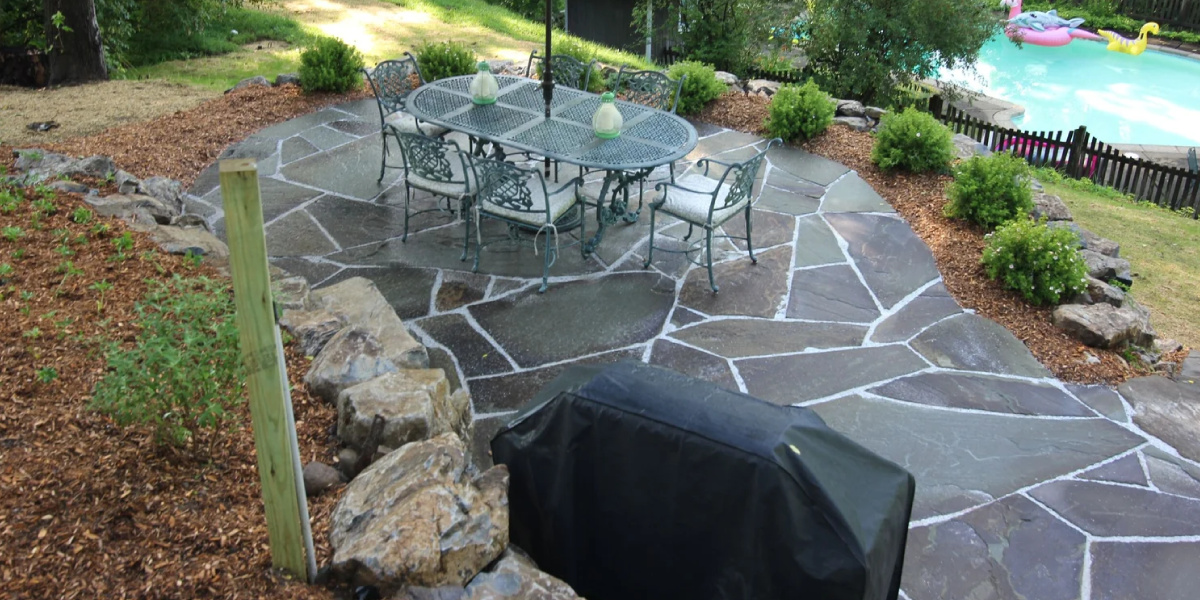
Case Background: A homeowner in a classic Brunswick Victorian terrace noticed their rear Bluestone courtyard had turned dark gray and slick with biological growth after three months of winter rain and shade.
The Solution:
- Mechanical sweeping removed wet organic leaf debris.
- A specialized pH-neutral natural stone cleaner was applied with a 15-minute dwell time.
- The team agitated the surface with rotary deck brushes to break up organic film without scratching the soft stone finish.
- Low-pressure rotary washing flushed away all slurry.
- After two dry days, two coats of a premium penetrating impregnating sealer were applied.
The Result: The natural charcoal tones of the Bluestone were fully restored without acid etching, while water slip-resistance increased substantially.
Best Practices & Expert Maintenance Tips
To prevent your courtyard tiles from dulling rapidly during future rainy seasons, follow these pro-active care steps:
- Regular Sweeping: Remove wet autumn leaves weekly before tannins leach deep into porous stone.
- Maintain Courtyard Drainage: Clear channel drains, pit grates, and weeping holes to prevent standing water accumulation.
- Trim Overhanging Foliage: Cut back dense trees or vines to maximize sunlight penetration into shaded terrace corners.
- Avoid Wire Brushes: Never use steel wool or metal wire brushes on tile or grout, as iron particles break off, rust, and leave permanent brown specks.
- Schedule Professional Inspections: Book a professional hard-surface evaluation every 2–3 years to check sealer integrity and grout condition.
Frequently Asked Questions (FAQs)
Why do outdoor tiles look dull after winter?
Outdoor tiles look dull after winter due to cumulative dirt encapsulation, algae and fungal growth, water trapped inside tile pores, salt efflorescence deposits, and degraded surface sealers caused by constant rain and lack of sunlight.
How do you restore dull outdoor tiles?
To restore outdoor tiles, thoroughly sweep the surface, apply a material-specific cleaner (alkaline for porcelain, pH-neutral for stone), scrub with a hard nylon brush to lift embedded grime, rinse thoroughly, and finish with a high-quality penetrating sealer once dry.
What is the best way to clean patio tiles after winter?
The best way to clean patio tiles after winter is to pre-wet the tiles, apply a specialized pH-appropriate cleaning detergent, allow 10–15 minutes dwell time, scrub with a heavy-duty deck brush, and rinse with low-pressure water to avoid damaging tiles or washing out grout.
How do you remove moss and stains from outdoor tiles?
To remove moss, algae, and organic stains, apply an eco-friendly biological outdoor cleaner or oxygenated bleach solution. Allow it to sit to kill root structures, scrub with a stiff nylon broom, and rinse clean. Avoid harsh acids on natural stone.
Can pressure washing restore the appearance of outdoor tiles?
Yes, pressure washing can restore outdoor tiles, but it must be done carefully using low pressure (below 1,500 PSI) and a wide fan nozzle or rotary surface cleaner. Excessive pressure can etch stone, pit porcelain surfaces, and destroy surrounding mortar joints.
Conclusion
A damp Melbourne winter doesn’t have to ruin the beauty of your Brunswick terrace outdoor living space. By understanding what causes dullness, from biological growth to sealer degradation, and using the right, non-destructive cleaning techniques, you can safely bring your courtyard back to life. Learning how to clean outdoor tiles after winter protects your investment, enhances slip safety, and keeps your property looking its absolute best for spring and summer gatherings. If your outdoor tiles require deep restoration, tile re-sealing, or specialized grout repairs, trust local stone care professionals to handle delicate surfaces safely. Ready to transform your terrace? Contact Tile Cleaners Melbourne today for expert tile cleaning, grout restoration, and stone sealing tailored to your property.

Leave A Comment