
Luxury Vinyl Tile (LVT) has taken modern homes and commercial spaces across Melbourne by storm. Blending the rich, authentic textures of natural timber, marble, and slate with incredible durability, LVT offers an elegant flooring option built for busy Australian lifestyles. However, even the most resilient floors are not completely immune to everyday life. High foot traffic, scuff marks, gritty dirt tracked in from outdoors, and accidental liquid spills can quickly dull the protective wear layer of your floor, leaving once-vibrant planks looking flat and tired.
Learning how to clean and maintain LVT flooring correctly is essential if you want to protect your flooring investment, preserve its sleek design, and extend its lifespan for decades. While vinyl planks are far lower-maintenance than natural hardwood or porous stone, using incorrect floor cleaners, excessive water, or harsh steam appliances can break down adhesive bonds and cause irreversible surface damage. In this comprehensive guide, we will cover safe daily maintenance, step-by-step deep cleaning techniques, common pitfalls to avoid, and expert restoration advice to keep your luxury vinyl flooring looking brand new.
What is How to Clean and Maintain LVT Flooring?
When floor care professionals discuss how to clean and maintain LVT flooring, they are referring to a systematic approach designed to preserve both the aesthetic appeal and structural integrity of Luxury Vinyl Tile and Luxury Vinyl Plank (LVP) surfaces. Unlike traditional sheet vinyl or laminate, LVT features a multi-layer synthetic construction comprising a high-density backing, a photographic design layer, a protective clear polyurethane wear layer, and sometimes a factory-applied UV coating.
Proper LVT floor cleaning is not about aggressive scrubbing or heavy chemical treatments; it focuses on low-moisture cleaning, gentle dirt removal, and preventative care. Understanding how to care for LVT flooring means striking a balance between dry soil removal to prevent surface micro-scratching and pH-neutral damp mopping to dissolve sticky residues without letting water pool in plank seams.
Anatomy of LVT Flooring & Care Sensitivity
| LVT Layer | Function & Composition | Maintenance Sensitivity | Recommended Care Action
|
|---|---|---|---|
| UV/Polyurethane Wear Layer | Clear top coat protecting against scratches, stains, and fading | Highly sensitive to harsh solvents, abrasives, and acidic cleaners | Clean only with pH-neutral products and soft microfiber tools |
| Decorative Film Layer | High-definition image reproducing wood or stone patterns | Protected by wear layer; sensitive to deep gouges or heavy impact | Place protective felt pads on furniture legs and use doormats |
| Core & Backing Layers | Provides dimensional stability, impact resistance, and water resistance | Adhesive bonds can loosen if saturated with standing water | Avoid soaking floors; practice damp mopping only |
Why Proper LVT Floor Maintenance Matters
While luxury vinyl plank flooring is famous for its durability and moisture resistance, improper care habits can dramatically shorten its lifespan and ruin its finish. Establishing a proper routine on how to maintain LVT flooring yields immediate and long-term benefits for your home:
1. Preserves the Protective Wear Layer
Fine grit, sand, and dirt act like sandpaper under foot traffic. Every step grinds loose particles into the polyurethane wear layer, creating tiny micro-scratches that trap grime and dull the floor’s gloss over time. Regular dry sweeping and vacuuming remove this abrasive grit before it causes permanent finish dullness.
2. Protects Subfloor and Adhesive Integrity
Although the vinyl planks themselves are water-resistant, loose-lay and gluedown LVT installations remain vulnerable at the seams. Excess water used during wet mopping can seep through plank edges, breaking down adhesive bonds, causing edge cupping, or encouraging mold growth underneath the subfloor.
3. Saves Money on Premature Floor Replacement
Replacing high-end flooring across living rooms, kitchens, or hallway areas is a substantial financial undertaking. By adhering to safe surface cleaning tips and using the best cleaner for LVT flooring, you keep your investment intact and avoid costly repair or replacement bills.
4. Maintains Health and Hygiene
Clean floors mean cleaner indoor air. Regular, gentle washing removes dust mites, pet dander, pollen, and bacteria that accumulate on hard floor surfaces, ensuring a healthier home environment for children and pets.
Common LVT Floor Cleaning Mistakes to Avoid
Many homeowners inadvertently damage their luxury vinyl plank flooring by treating it like ceramic tile, timber, or stone. Avoid these common mistakes when managing your floor care:
Using Steam Mops on LVT
One of the biggest blunders is using a steam cleaner or steam mop on luxury vinyl flooring. The combination of intense heat and pressurized moisture forces steam deep between plank joints. This extreme thermal stress deforms vinyl planks, breaks down subfloor adhesives, and almost always voids your manufacturer warranty.
Cleaning with Acidic or Harsh Chemicals
Ammonia, bleach, undiluted vinegar, and solvent-based strippers strip away the top protective coating of LVT. Acidic floor cleaners degrade polyurethane, leaving the surface hazy, sticky, and susceptible to permanent staining.
Using Oil-Based Soap or Wax Polishes
Products designed for solid hardwood floors, such as wax or oil-based soaps, leave a thick residue on non-porous vinyl surfaces. This film creates an unsightly build-up that attracts dirt, turns cloudy, and makes the floor dangerously slippery.
Over-Saturating Floors with Water
Never flood luxury vinyl plank flooring with buckets of soapy water or traditional string mops. Excessive water pools along seams and perimeter skirtings, leading to adhesive failure, plank swelling, or subfloor warping.
Step-by-Step Process: How to Clean and Maintain LVT

Flooring
To safely clean luxury vinyl flooring without risking dullness or structural damage, follow this simple, technician-approved four-step process.
If your home features mixed surface materials alongside vinyl plank—such as natural stone benchtops, travertine tiles, or outdoor sandstone areas—explore expert surface restoration solutions at Tile Cleaners Melbourne to protect all your hard surfaces.
Step 1: Daily Dry Soil Removal
Remove loose surface grit, dust, and debris before introducing any liquid cleaner.
- Use a soft-bristle broom or a high-efficiency particulate air (HEPA) vacuum cleaner with a hard-floor setting.
- Ensure the vacuum’s rotating beater bar is turned off to prevent plastic or metal bristles from scratching the floor surface.
Step 2: Prepare a Safe, pH-Neutral Cleaning Solution
Choosing the correct solution is critical for maintaining the floor’s original luster.
- Mix warm water with a dedicated pH-neutral floor cleaner specifically formulated for luxury vinyl floors.
- If a commercial LVT cleaner is unavailable, mix a few drops of mild, dishwashing detergent into a bucket of warm water.
Step 3: Damp Mop with a Microfiber Mop
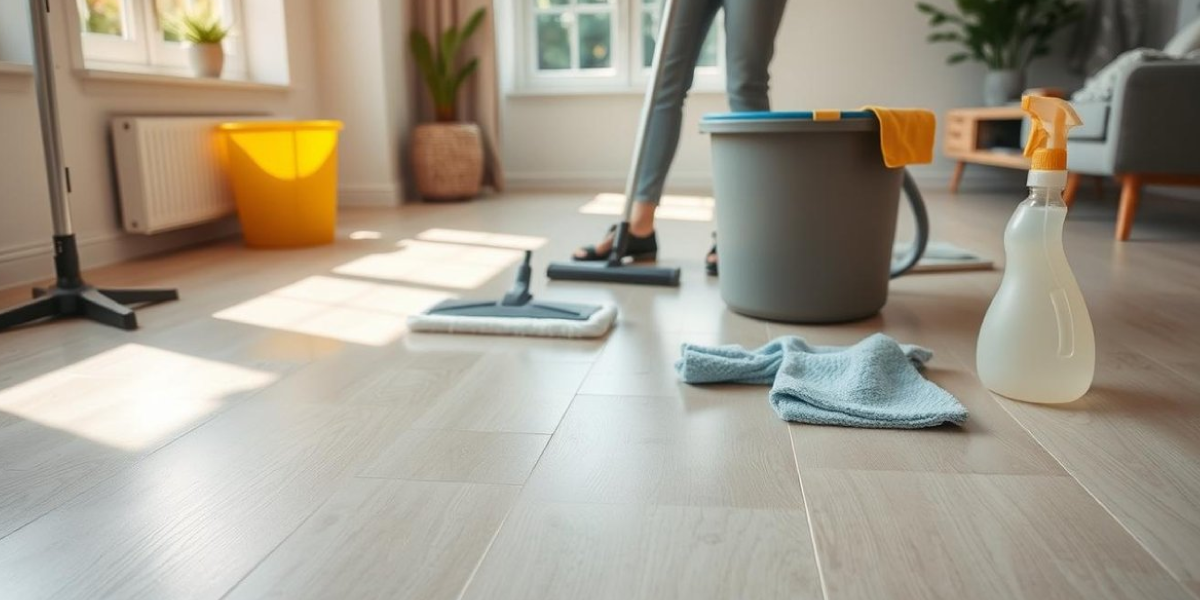
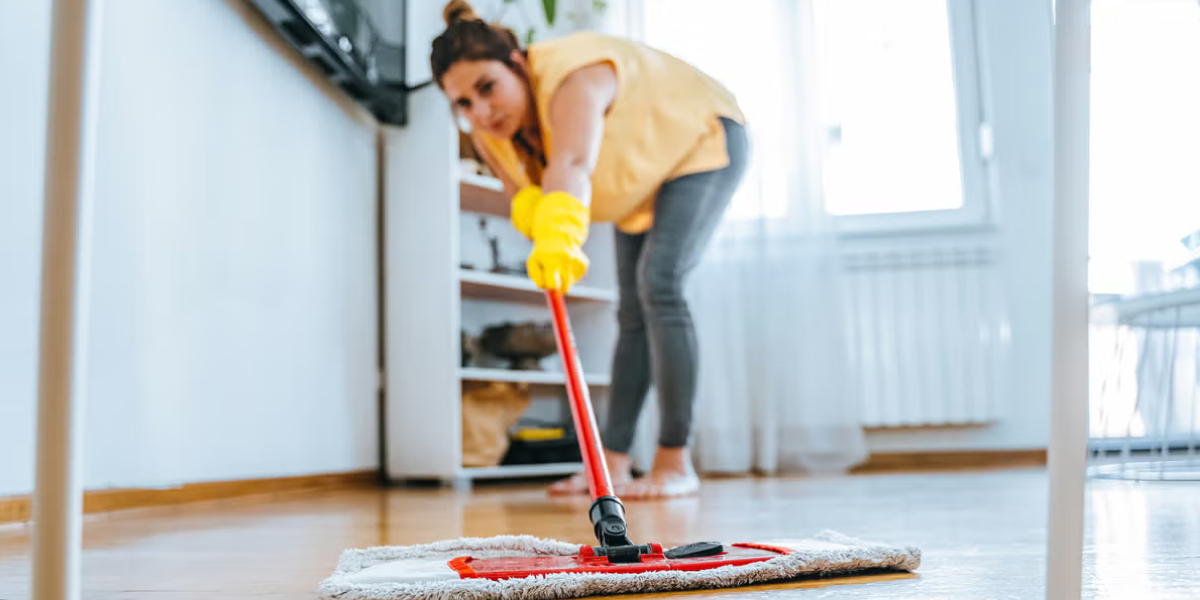
Execute damp mopping using microfiber tools that trap dirt rather than spreading dirty water across planks.
Step A: Dip microfiber mop pad into the pH-neutral cleaning solution.
Step B: Thoroughly wring out mop pad until it is slightly damp to the touch (not dripping).
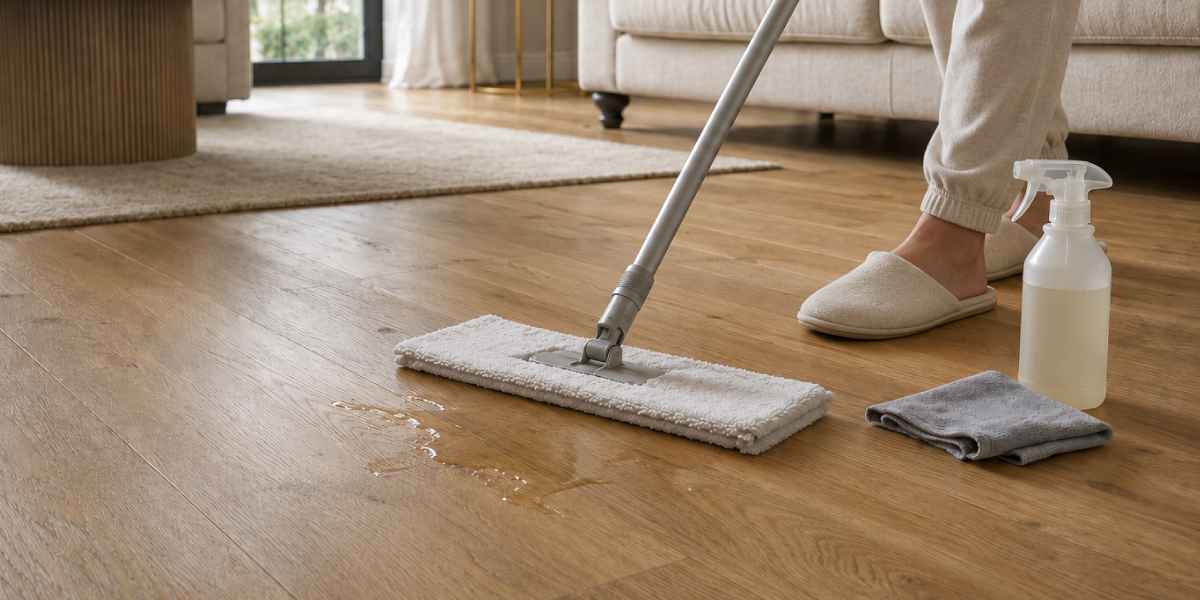
Step C: Mop in long, smooth strokes along the direction of the vinyl plank pattern.
Step D: Rinse mop pad frequently in clean water as dirt accumulates.
Step 4: Spot-Clean Stains and Dry
Address tough spills, scuff marks, or sticky residue immediately.
- For shoe scuffs, rub gently with a soft microfiber cloth dipped in a drop of neutral cleaner or use a pink eraser.
- For oil or food spills, wipe up immediately, spray light neutral floor cleaner, and dry with a clean towel.
- Allow the area to air dry completely or buff dry with a soft microfiber cloth to prevent water spot formation.
The Best Way to Clean LVT Flooring Quickly
What is the best way to clean LVT flooring?
The best way to clean LVT flooring is to sweep or vacuum daily with a soft-brush attachment to remove loose grit, then damp mop weekly using a microfiber mop and a non-toxic, pH-neutral cleaner mixed in warm water. Avoid steam mops, abrasive scrubbers, bleach, and wax-based polishes to protect the floor’s clear wear layer.
Quick LVT Maintenance Comparison
| Cleaning Tool / Agent | Safe for LVT Flooring? | Primary Risk / Reason
|
|---|---|---|
| Microfiber Flat Mop | Yes (Recommended) | Traps fine dust; controls moisture perfectly |
| pH-Neutral Floor Cleaner | Yes (Recommended) | Cleans safely without removing protective wear coatings |
| Steam Mop / Steam Cleaner | NO | High heat warps vinyl planks & destroys subfloor glue |
| White Vinegar / Ammonia | NO | High acidity dulls and degrades polyurethane finish |
| Floor Wax / Oil Soaps | NO | Leaves sticky buildup that attracts dirt and turns yellow |
Best Practices & Preventative Care Tips for LVT Flooring
Knowing how to clean luxury vinyl flooring is only half the equation; preventative care keeps floors pristine for years with minimal effort.
Place Quality Doormats at Entry Points
Place heavy-duty dirt-trapping matting at all exterior entryways. Doormats capture abrasive dirt, mud, sand, and small stones before they are tracked onto your living room floors.
Attach Felt Floor Protectors to Furniture
Attach heavy-duty felt pads to the bottoms of all chair legs, table feet, and heavy furniture. Avoid hard plastic or metal glides, which leave deep gouges when furniture is shifted.
Manage Sunlight and Heat Exposure
Extended exposure to direct, intense sunlight can cause luxury vinyl flooring to fade or expand. Use sheer curtains, blinds, or UV-filtering window films on large north- or west-facing windows during peak summer afternoons across Melbourne homes.
Handle Pets and Nails Responsibly
Keep pets’ nails trimmed regularly. While LVT offers high scratch resistance, sharp dog claws subjected to energetic running can still leave micro-scratches in the clear wear layer.
Frequently Asked Questions (FAQs)
What is the best way to clean LVT flooring?
The best way to clean LVT flooring involves daily dry sweeping or vacuuming (using a soft brush setting) to clear loose grit, followed by weekly damp mopping with a soft microfiber mop and a pH-neutral cleaner diluted in warm water. Avoid soaking the floor with excess water.
Can you mop LVT flooring?
Yes, you can mop LVT flooring, provided you use a well-wrung microfiber damp mop rather than a soaking wet traditional mop. Excess water must not be allowed to pool on the floor, as moisture can seep between plank joints and weaken adhesive bonds beneath.
What cleaner is safe for LVT flooring?
A specialized, non-toxic pH-neutral floor cleaner designed specifically for luxury vinyl or hard surfaces is safest. Alternatively, warm water mixed with a few drops of mild dish soap works well. Avoid bleach, ammonia, acidic cleaners like vinegar, and wax-based hardwood treatments.
Can you use a steam mop on LVT flooring?
No, you should never use a steam mop on LVT flooring. The intense heat and forced steam pressure can warp vinyl planks, cause edge peeling, and melt subfloor adhesives, which usually voids manufacturer warranties.
How often should LVT flooring be cleaned?
High-traffic areas should be swept or vacuumed daily or every second day to remove abrasive grit. Damp mopping with a pH-neutral cleaner should be performed weekly or bi-weekly depending on household foot traffic and pet activity.
Conclusion and Final Takeaways
Learning how to clean and maintain LVT flooring does not require complicated routines or expensive chemical arsenals. By adopting simple daily sweeping habits, using safe pH-neutral cleaning agents, controlling moisture with microfiber mops, and preventing heat and grit damage, your luxury vinyl plank flooring will remain a stunning feature in your home for many years to come.
While vinyl plank flooring is easy to handle at home, natural hard surfaces like marble, travertine, slate, and tile grout require specialized care to maintain their luster. If your property features hard tiles, natural stone floors, or outdoor entertainment areas needing expert attention, consult the team at Tile Cleaners Melbourne for professional deep cleaning, sealing, and surface restoration solutions that restore your surfaces to “as-new” condition!

Leave A Comment