
Walking into a home with sparkling floors instantly elevates your mood. For homeowners across Melbourne, keeping a property looking its best is a point of pride. However, maintaining that immaculate look requires more than just a quick weekly mop. Dirt, grease, and moisture constantly challenge the surfaces under our feet. If you want to protect your investment, understanding the correct tile maintenance schedule is essential.
While everyday home tile cleaning keeps surface dust at bay, porous grout lines slowly trap invisible contaminants that standard cleaning cannot reach. Over time, this leads to discoloration, stubborn stains, and structural issues.
This comprehensive guide breaks down the ideal tile cleaning frequency, the hidden science behind grout deterioration, and how professional grout cleaning can restore your home’s pristine beauty.
What is Tile Maintenance?
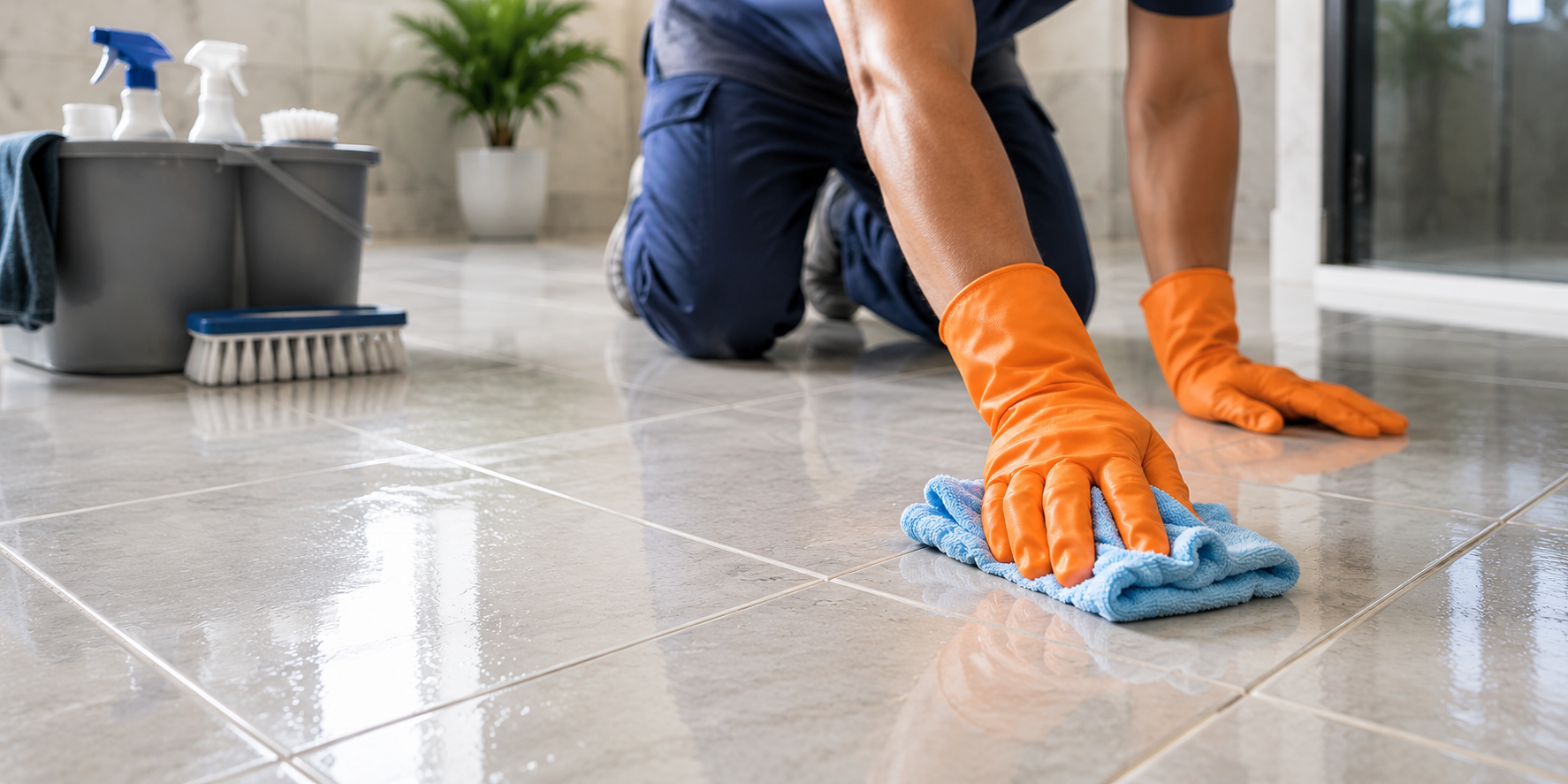
True tile maintenance is the systematic preservation of both your tile faces (whether ceramic, porcelain, or natural stone) and the surrounding grout joints. It combines routine care with periodic heavy-duty intervention to prevent premature wear, staining, and moisture damage.
[Daily/Weekly Sweeping & Mopping] + [Deep Extraction Cleaning] = Comprehensive Tile Maintenance
Grout is inherently porous. Made from a mixture of sand and cement, it acts like a hard sponge. Without a proper tile cleaning schedule, everything from spilled coffee to dirty mop water sinks deep into those microscopic pores. Effective maintenance ensures these porous zones are regularly cleaned, sanitized, and sealed to remain completely watertight.
Why Professional Grout and Tile Care Matters
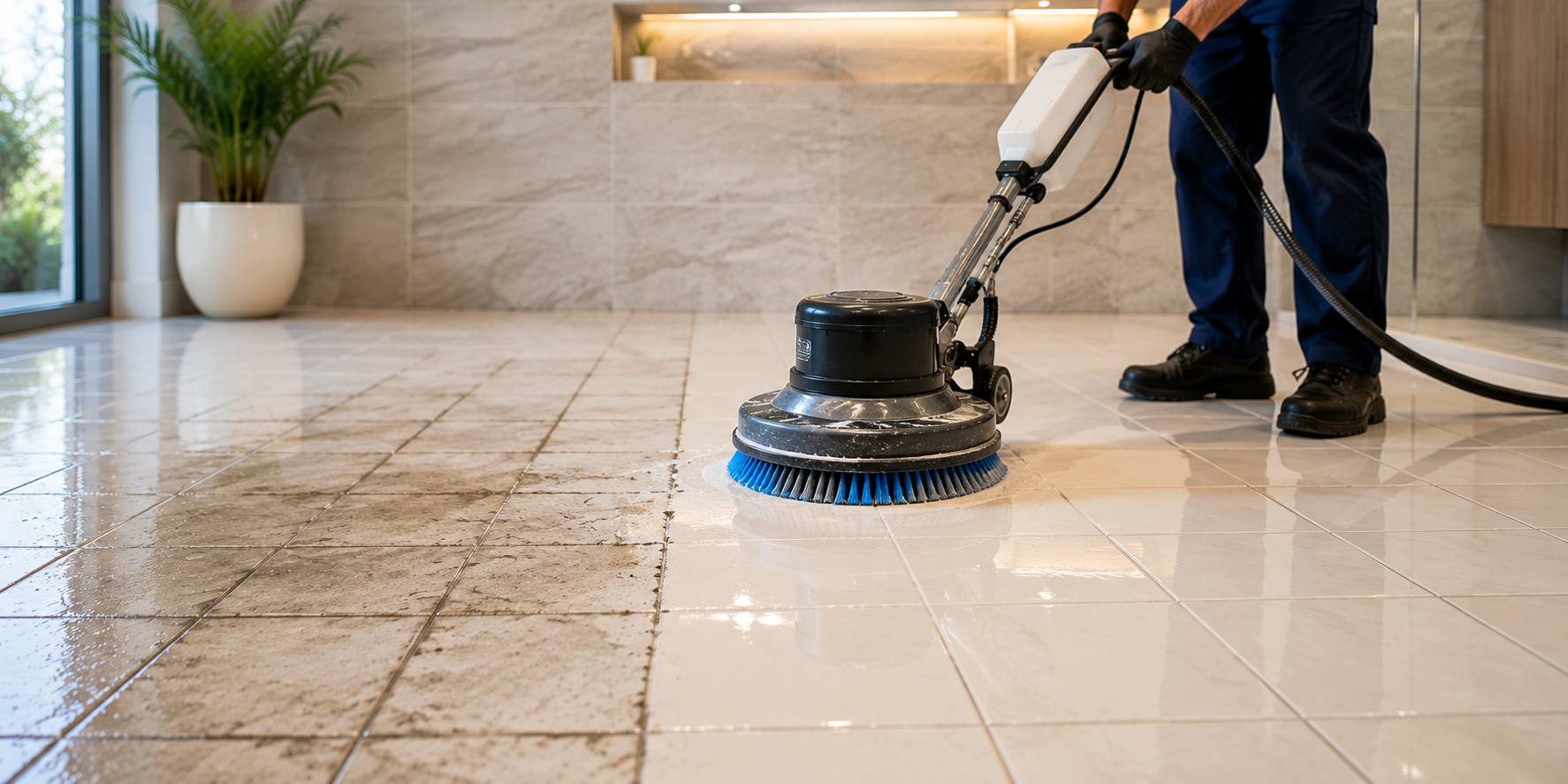
Relying entirely on a standard mop and bucket actually accelerates grout discoloration. As a mop moves across the floor, it lifts surface dirt but deposits the suspended muddy residue directly into the lower-lying grout channels.
Over months, this residue builds up, turning light grey or white grout into a dark, unsightly brown.
The Hidden Benefits of Professional Care
- Stops Permanent Staining: Professional extraction lifting pulls deeply embedded oils out before they permanently chemically alter the grout color.
- Extends Installation Lifespan: Acidic grime and deep-seated dirt slowly break down the structural integrity of cementitious grout, causing it to crack or crumble. Deep cleaning halts this degradation.
- Improves Indoor Air Quality: Bathrooms and kitchens generate significant ambient humidity. Dirty grout lines provide an optimal breeding ground for biological contaminants that impact respiratory health.
Tile Cleaning Frequency: The Ultimate Schedule Matrix
Not every room in your home experiences the same amount of foot traffic or moisture exposure. A guest bedroom ensuite does not require the same deep cleaning frequency as a high-traffic family kitchen.
To help you plan, this matrix outlines the ideal professional timeline alongside daily home maintenance tasks.
| Area of the Home | Traffic/Moisture Level | Daily/Weekly Home Care | Professional Deep Clean Frequency |
| Kitchen Floors | High Traffic / High Grease | Sweep daily; damp mop 1–2x per week with pH-neutral cleaner. | Every 12 Months |
| Main Bathroom / Showers | High Moisture / High Soap Scum | Squeegee walls after use; weekly spray and wipe down. | Every 12 to 18 Months |
| Living & Hallway Areas | High Foot Traffic / Dry Dirt | Vacuum with a soft-brush attachment 2x per week; monthly mop. | Every 18 to 24 Months |
| Commercial Spaces | Extreme Traffic / Constant Use | Sweep and auto-scrub daily. | Every 3 to 6 Months |
Quick Answer
How often should tile and grout be professionally cleaned?
Residential tile and grout should be professionally cleaned every 12 to 24 months. The exact frequency depends heavily on foot traffic, pet ownership, and moisture levels. High-use zones like kitchens and main bathrooms generally require professional servicing every 12 months, whereas formal living areas can stretch to 24 months.
Common Mistakes in Home Tile Cleaning
Well-meaning homeowners often inadvertently damage their floors trying to keep them clean. Here are the three most frequent errors observed in Melbourne households:
1. Using Harsh Chemical Cleaners
Reaching for heavy bleach, ammonia, or highly acidic homemade vinegar solutions breaks down grout structure. While vinegar is a popular DIY recommendation, its high acidity slowly dissolves the thin layer of cement binders in the grout, making it rougher and more susceptible to future staining.
2. Skipping the Post-Wash Rinse
Leaving soapy residue on the floor creates a microscopic, sticky film. This film acts like a magnet for airborne dust, pet dander, and shoe grime, causing the floor to look dirty again just days after cleaning.
3. Using Aggressive Wire Brushes
Scrubbing grout lines with stiff wire brushes scratches the protective sealant away and scores the grout surface. These tiny scratches give dirt an even deeper, more secure anchor point to cling to.
The Step-by-Step Professional Grout Restoration Process
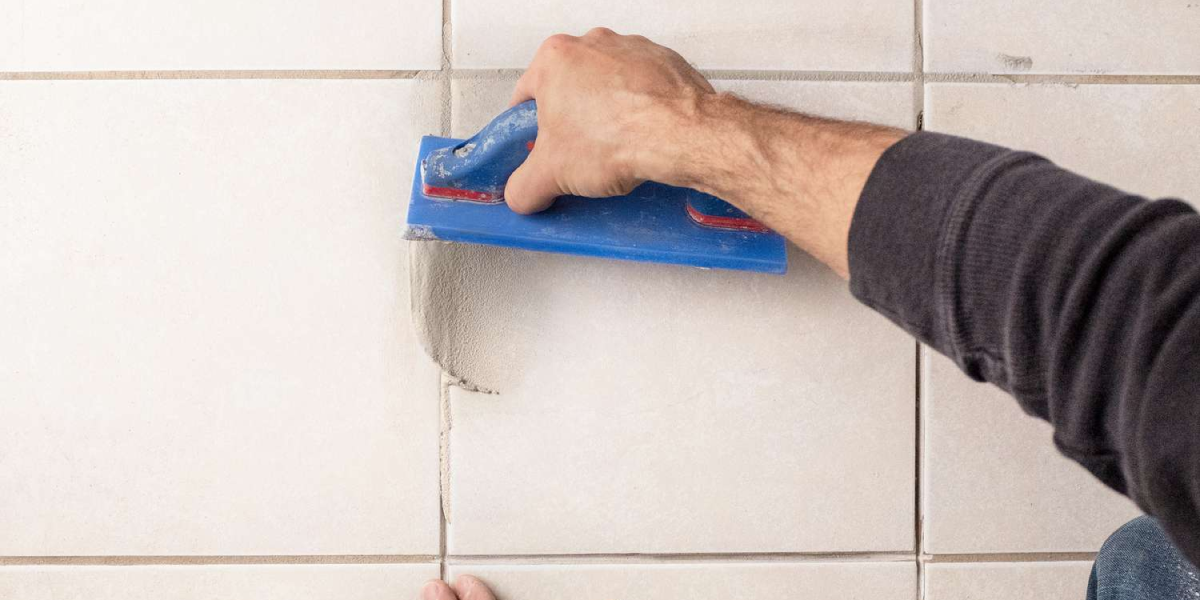
True grout restoration requires specialized engineering equipment. A high-end professional service does not just scrub; it extracts.
[Inspection] ➔ [Pre-Treatment] ➔ [Agitation] ➔ [Hydro-Extraction] ➔ [Drying & Sealing]
Step 1: Soil Penetration and Pre-Treatment
An alkaline pre-treatment is applied across the floor layout. This formula breaks down lipid bonds (grease, oils, and fats) that bind dirt particles to the tile faces and grout pores.
Step 2: Mechanical Agitation
Counter-rotating brush machines gently scrub the grout lines without scraping the material away. This process loosens the emulsified soil from the deep valley walls of the grout joint.
Step 3: High-Pressure Hydro-Extraction
This is the critical step that home tools cannot replicate. Using a specialized enclosed dome tool, superheated wate is pressurized against the tile while a powerful vacuum extraction system simultaneously pulls the dirty water away into a holding tank. The dirt is instantly removed from the home rather than smeared across the floor.
Step 4: Clear or Color Sealing
Once dry, a premium penetrating impregnating sealer is applied. The sealer sinks into the open pores of the grout, curing into an invisible, hydrophobic barrier that prevents oils and liquids from soaking in.
Best Practices for Long-Term Tile Preservation
To maximize the longevity of your professional clean, implement these simple everyday strategies:
- Implement “Dry Zones” at Entries: Place high-quality mats outside and inside all external entryways to trap grit before it can scratch the tile glaze.
- Ditch the Traditional String Mop: Switch to a flat microfiber mop system. Microfiber lifts and holds dirt within its fibers rather than pushing dirty water sideways into the grout seams.
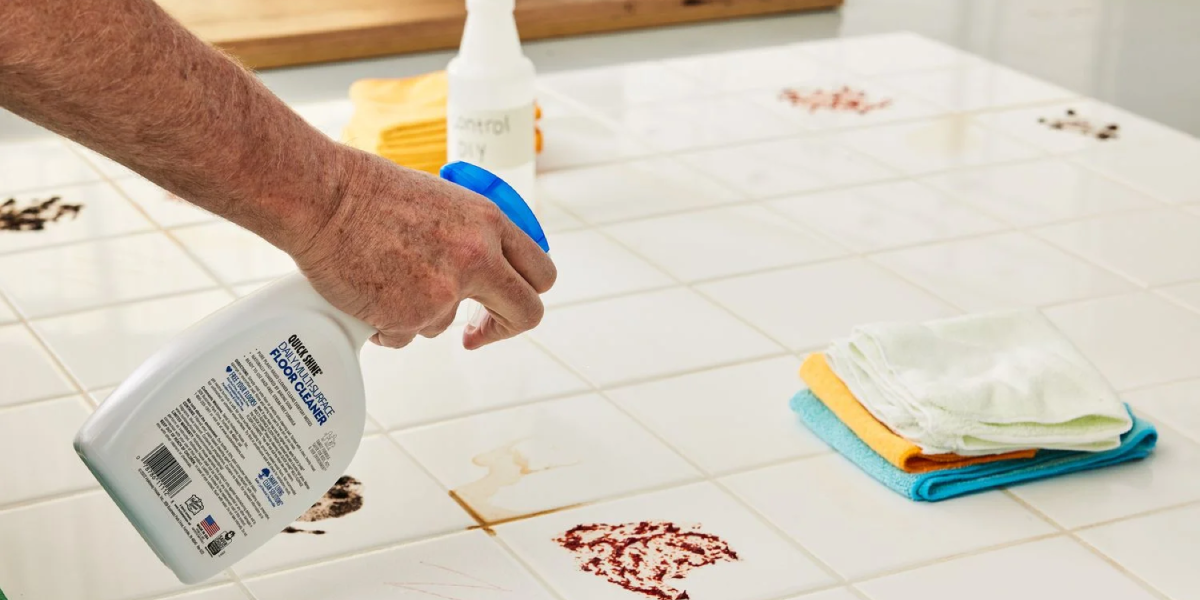
- Manage Spills Immediately: If red wine, coffee, or cooking oil hits the floor, blot it up immediately with a clean towel. Never rub the spill, as rubbing forces the liquid deeper into the grout structure.
Frequently Asked Questions
How often should tile floors be professionally cleaned?
For standard residential homes, scheduling a professional clean every 12 to 24 months is ideal. If you have indoor pets, young children, or host frequent gatherings, moving to an annual 12-month schedule keeps the traffic lanes looking uniform with the rest of the floor.
Does grout need professional cleaning?
Yes. Because grout is a porous, sand-based product, standard household mopping cannot generate the vacuum lift required to extract deeply embedded contaminants. Professional cleaning uses localized pressure and thermal energy to completely pull dirt out of the grout matrix without damaging the surrounding substrate.
How can I keep grout clean between services?
The best approach is to mop with a completely pH-neutral floor cleaner and clean water. Avoid using oily dish soaps or waxy floor polishes. After mopping, run a dry microfiber cloth along high-use areas to absorb any residual moisture that could deposit fine dirt back into the grout lines.
How often should bathroom tiles be cleaned?
Bathroom tile cleaning should occur weekly at home to manage soap scum, skin oils, and ambient humidity. Professionally, bathroom tile and grout should be deep-cleaned every 12 to 18 months to remove heavy mineral build-up and refresh the protective sealer inside the shower enclosure.
Can dirty grout cause mould?
Yes. Grout lines accumulate skin cells, soap scum, and organic dirt over time. When combined with the high humidity of a bathroom or laundry area, these deposits act as a direct food source for mould and mildew spores. Regular professional sanitation eliminates these hidden organic layers, inhibiting fungal growth.
Conclusion
Tile floor maintenance does not have to be a source of stress. By establishing a consistent daily cleaning habit and pairing it with routine professional care, you can preserve the look of your home for decades. Investing in professional grout cleaning and grout restoration prevents structural deterioration and avoids the massive costs of premature floor replacement. If you are ready to bring that pristine look back to your home, contact Tile Cleaners Melbourne. As a 100% Australian-owned and operated local business, we take pride in helping our neighbors keep their properties looking spectacular.

Leave A Comment