
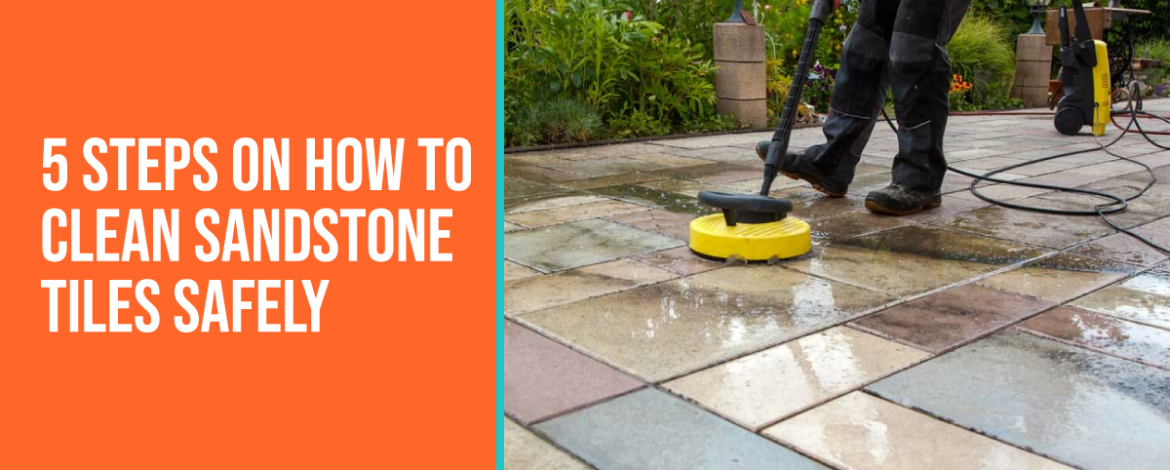
Sandstone tiles look beautiful, warm, and natural. You see them in kitchens, hallways, patios, and bathrooms. They instantly make a space feel calm and stylish. But here’s the real-life part. These tiles are soft and porous. One wrong cleaner or rough scrub can leave stains, dull patches, or permanent damage. That’s why knowing how to clean Sandstone tiles safely matters more than most people think.
So, how do you clean sandstone tiles safely? You use gentle cleaners, soft tools, less water, and the right method made for natural stone. You also avoid harsh products that slowly eat away the surface.
This guide shows you exactly what to do, what to avoid, and how to keep your tiles looking beautiful for years.
What Makes Sandstone Tiles Special
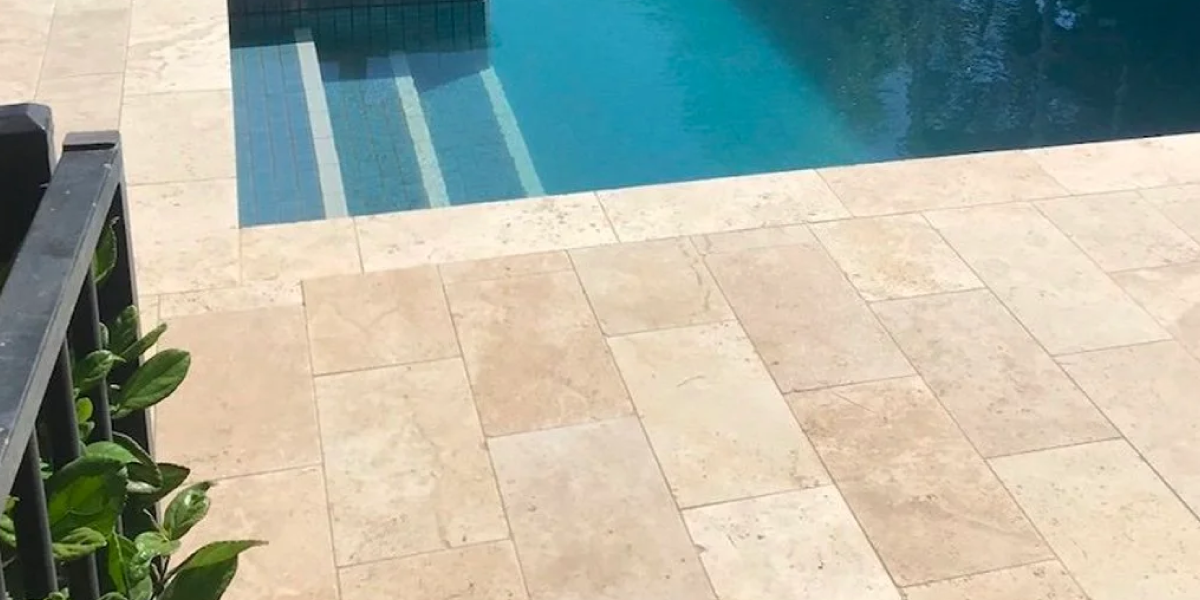
Sandstone is a natural stone. It forms from sand pressed together over time. That is why it has tiny holes and a soft texture.
Because of this:
- It absorbs water easily
- It stains faster than hard tiles
- It reacts badly to harsh cleaners.
This is why normal tile floor cleaners can ruin sandstone. Gentle care is the primary factor for Sandstone cleaning.
Things You Should Never Do on Sandstone Tiles
Let’s start with what not to do. This part is very important.
Never use:
- Vinegar or lemon
- Bleach or ammonia
- Acidic bathroom or toilet cleaners
- Rough scrub brushes or steel wool
- Steam cleaners
These can eat away the surface, cause white marks, or make tiles dull and weak.
Here’s How to Clean Sandstone Tiles: Daily and Weekly Safe Cleaning Method
This is your regular Sandstone tile cleaning routine. Simple and safe.
Step 1: Dry Cleaning First
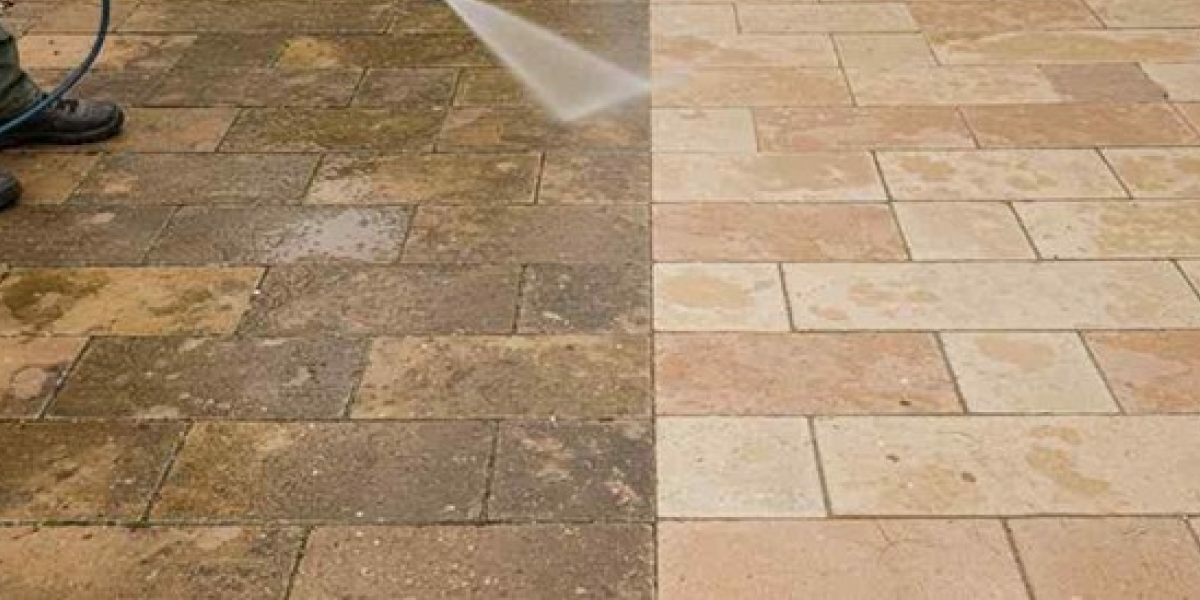
Start by sweeping or vacuuming the floor every day or at least a few times a week. This removes loose sand, dust, and grit that slowly scratch the tile surface when you walk on it. Use a soft broom or a vacuum without a hard brush. This small step protects the tiles more than people realise.
Step 2: Use Warm Water
Fill a bucket with warm water and add just a few drops of mild dish soap. Keep it gentle. Strong cleaners can sink into sandstone and cause stains or dull spots. Warm water helps lift dirt without hurting the stone, making this step safe and effective for regular cleaning.
Step 3: Mop Gently
Dip a soft mop or cloth into the water and wring it well. The mop should feel damp, not wet. Too much water can soak into the stone and leave marks. Move the mop slowly and lightly. Let the water and soap do the work instead of pressure.
Step 4: Rinse
After mopping, go over the floor once more using clean water only. This removes any leftover soap that could dry on the surface and attract dirt later. Again, keep the mop damp, not dripping. This step helps the tiles stay clean longer and look fresh.
Step 5: Dry the Tiles
Finish by drying the tiles with a soft towel or letting fresh air do the job. Do not leave water sitting on the surface. Standing water can soak in and cause dark patches. Drying keeps the colour even and helps your sandstone tiles stay strong and beautiful.
How to Remove Common Stains from Sandstone Tiles
Stains happen. The trick is to act fast and stay gentle.
Oil and Grease Stains
Like cooking oil or food spills.
- Sprinkle baking soda on the stain
- Add a little water to make a paste
- Leave it for a few hours
- Wipe gently with a soft cloth
Coffee, Tea, or Juice Stains
- Blot the spill right away
- Use warm water and mild soap
- Gently wipe. Do not scrub hard
Mud and Dirt Stains
- Let the mud dry fully
- Sweep it away
- Clean the mark with soapy water
Mould or Mildew
Common in bathrooms or outdoor areas.
- Mix water with a small amount of stone safe cleaner
- Wipe gently
- Keep the area dry afterwards
If stains do not fade, stop. Do not try stronger chemicals.
Best Cleaners for Sandstone Tiles
Always use cleaners made for natural stone.
Look for labels that say:
- Stone safe
- pH neutral
- Natural stone cleaner
If you are unsure, test the cleaner on a hidden spot first.
When Professional Help is a Must
Sometimes, home cleaning is not enough.
Call experienced professional tile cleaning services, like Melbourne Tile Cleaners, if:
- Stains are deep and old
- Tiles look dull or patchy
- Watermarks keep coming back
- Tiles are outdoors and heavily soiled
- You want the sealing done properly.
Pros use special tools and safe products. They clean deep without damage.
|
Looking for trusted sandstone cleaning in Melbourne? Our experts gently remove deep dirt and stains using stone-safe methods that protect your tiles. We also seal your sandstone to stop future damage and make cleaning easier for years to come. Call now to get a free quote and bring your sandstone tiles back to life. |
Sealing Sandstone Tiles for Long-Term Protection
Sealing is one of the best things you can do.
A good sealer:
- Blocks stains
- Reduces water absorption
- Makes cleaning Sandstone easier
Most sandstone tiles need sealing every one to two years. If water darkens the tile when dropped on it, it is time to reseal.
How to Preserve Sandstone Tiles for Years
Here are easy habits that really help.
- Clean spills right away
- Use mats near doors and sinks
- Avoid dragging furniture
- Sweep often
- Keep outdoor tiles free from leaves and dirt
- Reseal on time
Small care steps save big repair costs later.
Indoor vs Outdoor Sandstone Tile Care
Indoor tiles need gentle weekly cleaning.
Outdoor tiles need cleaning, of course:
- More frequent sweeping
- Occasional deep cleaning
- Extra care during rainy seasons
Outdoor sandstone also needs sealing more often.
Wrapping Up
So, coming to this point, we can hope that you now know how to clean Sandstone tiles safely. Sandstone tiles are beautiful but sensitive. Treat them gently, and they will last for years. Avoid harsh cleaners. Clean regularly. Act fast on stains. Seal when needed. And when things feel out of control, call a professional.
FAQs
|

Leave A Comment